
Local inventor wins $1.7 million in Ninth Circuit Ruling
Lucky Break Wishbone owner Ken Ahroni battled giant firms
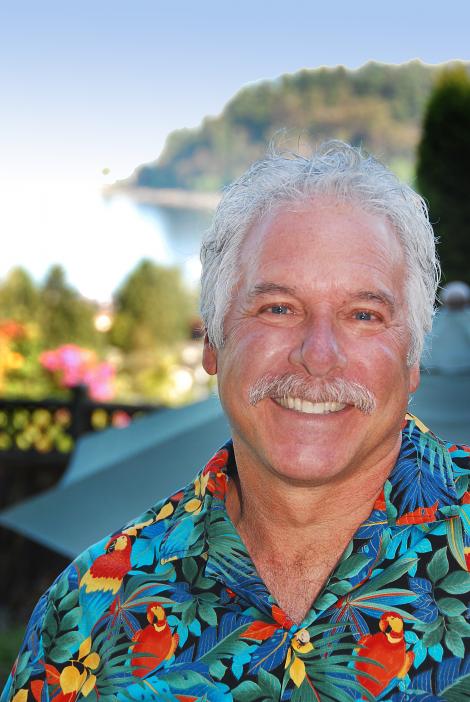
Ken Ahroni, owner of Lucky Break Wishbone finally prevailed in his legal battle to win a judgement over intellectual property rights.
Wed, 05/05/2010
Plastic Thanksgiving turkey wishbones selling for $.99 each really turned out to be worth $1.7 million Ken Ahroni and his company Lucky Break Wishbone.
The Ninth Circuit Court of Appeals has affirmed an award of $1.7 million to Lucky Break Wishbone Corporation over retailer Sears, Roebuck and Co. and advertising giant Young & Rubicam, Inc. The decision was seen as a victory for U.S.-based intellectual property rights and small business competing in a global environment.
The copyright case concerned the plastic turkey bones used in a Thanksgiving promotion for Sears.
You can see the personal profile done on Ahroni and his product here.
Ahroni said, "I'm very relieved and very happy. This is a classic case of David and Goliath and it seldom turns out that David wins but when those stories do happen they are obviously very worthwhile and very sweet. Four years in the making, it was a long road but we've obviously come to the end and we're very pleased with the results and our legal system works. We've all heard that the wheels of justice move slow but I guess it's most important where that train actually stops."
Lucky Break first filed its suit in March 2006, alleging that in June 2005, Young & Rubicam contactedLucky Break to express interest in distributing their wishbones as part of a Thanksgiving promotion for Sears. Lucky Break provided a sample of the product – a plastic wishbone able to break like a real wishbone – and prepared to manufacture one million wishbones, but no deal was reached.
Lucky Break later determined that Sears had hired a company called Apex Products LLC to produce the wishbones in China for the Sears 2005 WISH BIG campaign, which Lucky Break said were “substantially similar or virtually identical” to its copyrighted product, which is made in the USA. Sears and Young & Rubicam maintained that the wishbone used in their promotion was an imitation of a real turkey bone, rather than any competing plastic wishbone.
The matter was brought to trial in July 2008, where a jury in the district court ruled that Sears had infringed Lucky Break Wishbone Corp.'s copyright on their wishbone design. The jury also ruled that both Sears and Young & Rubicam had infringed Lucky Break’s copyrighted product warning statement. Key testimony was provided by an expert in avian osteology, or bird bones, who testified that Lucky Break’s product differs substantially from actual turkey bones. Specifically, seven different artistic features of design make Lucky Break’s wishbone unique. As a result, the osteologist argued, Sears’ plastic wishbone could not have been copied from nature and instead must have been copied based on Lucky Break's product. The district court agreed with the osteologist’s determination.
The court denied Sears’ appeal over the initial ruling, resulting in one of the largest-ever awards for indirect profits from an infringing advertisement or promotion. $1.5 million was awarded as indirect profit.
