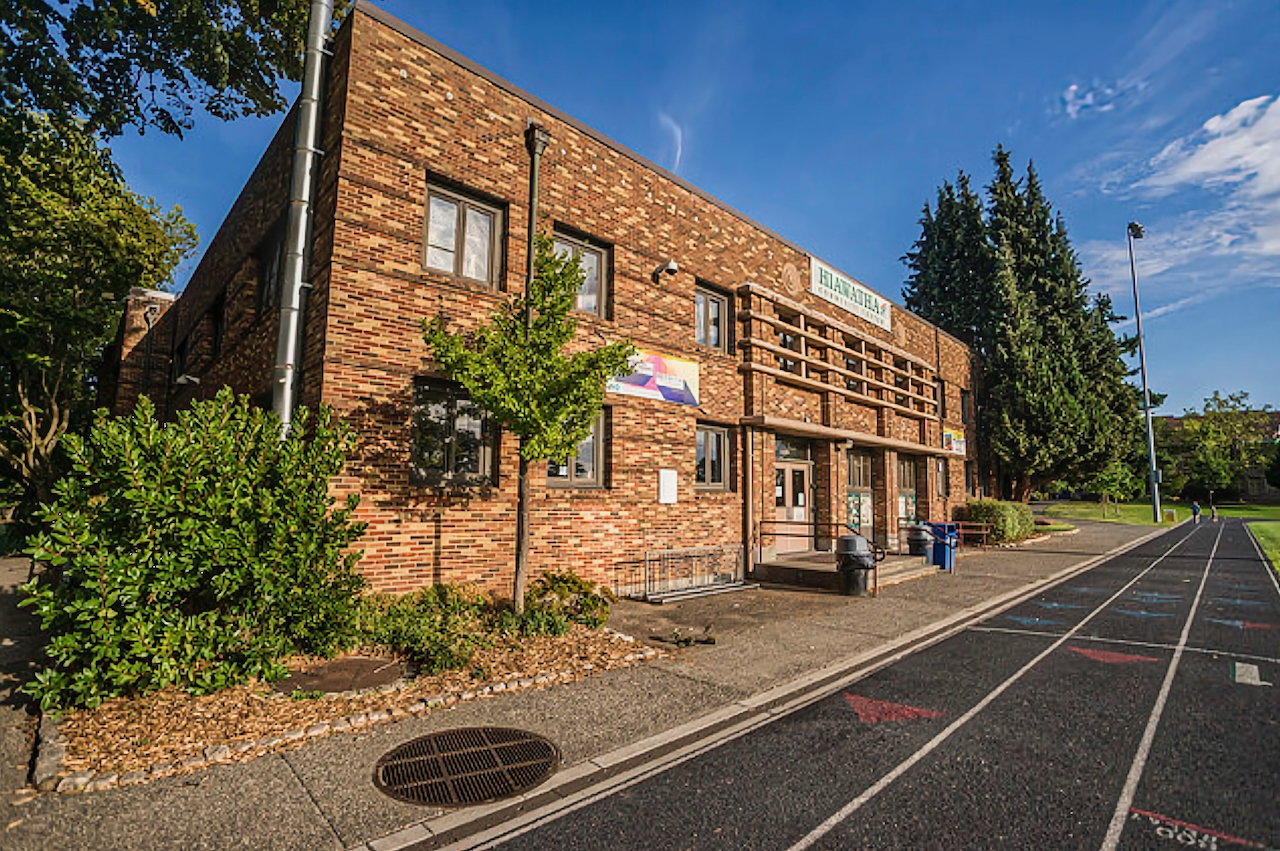
The Hiawatha Community Center has been renovated and stabilized after a months long closure. The grand reopening is set for February 21.
The historic Hiawatha Community Center, located at 2700 California Ave SW, is preparing to welcome the public back after years of extensive stabilization and renovation work. District 1 Seattle City Councilmember Rob Saka recently announced that a "soft opening" is planned for late January, which will be followed by a Grand Reopening and ribbon-cutting ceremony on Saturday, February 21.
This project marks a significant milestone for Seattle’s oldest community center, which was originally built in 1911 and designed by the Olmsted Brothers. The $3.9 million investment, funded by the 2008 Parks and Green Space Levy and the Seattle Parks District, focused on critical life-safety improvements and "stabilization" to ensure the facility can continue to serve the Admiral community for years to come.
Councilmember Saka highlighted the importance of these upgrades, stating: "The recently completed Hiawatha Community Center Stabilization Project addresses critical maintenance and accessibility needs while expanding programming potential".
The extensive scope of work at Hiawatha included:
• A seismic retrofit of the gymnasium and the building's brick veneer.
• A full roof replacement and renovations to the restrooms, kitchen, lobby, and childcare areas.
• The relocation of the teen room to improve facility flow.
• The installation of a new electrified HVAC system, making Hiawatha the city's first fully decarbonized community center.
Seattle Parks and Recreation (SPR) prioritized these "stabilization" repairs—which also occurred at other facilities like Green Lake, Jefferson, and Magnolia—to address major maintenance needs such as electrical repairs and water pipe replacements that could otherwise prevent programming and public access. While the renovations focused on modernizing utility systems and improving ADA accessibility, care was taken to respect the historic aspects of the building.
Residents can look forward to the return of youth, teen, senior, and athletic programs in a facility that has been greatly enhanced for safety and functionality.
To understand the stabilization project, one might think of it as reinforcing the foundation and updating the internal wiring of a beloved family heirloom; the goal is to preserve its historic character while ensuring it remains safe and functional for many generations to come