
Community gathers for "Peat Party" to celebrate major restoration milestone at Roxhill Bog
Community gathers for "Peat Party" to celebrate major restoration milestone at Roxhill Bog

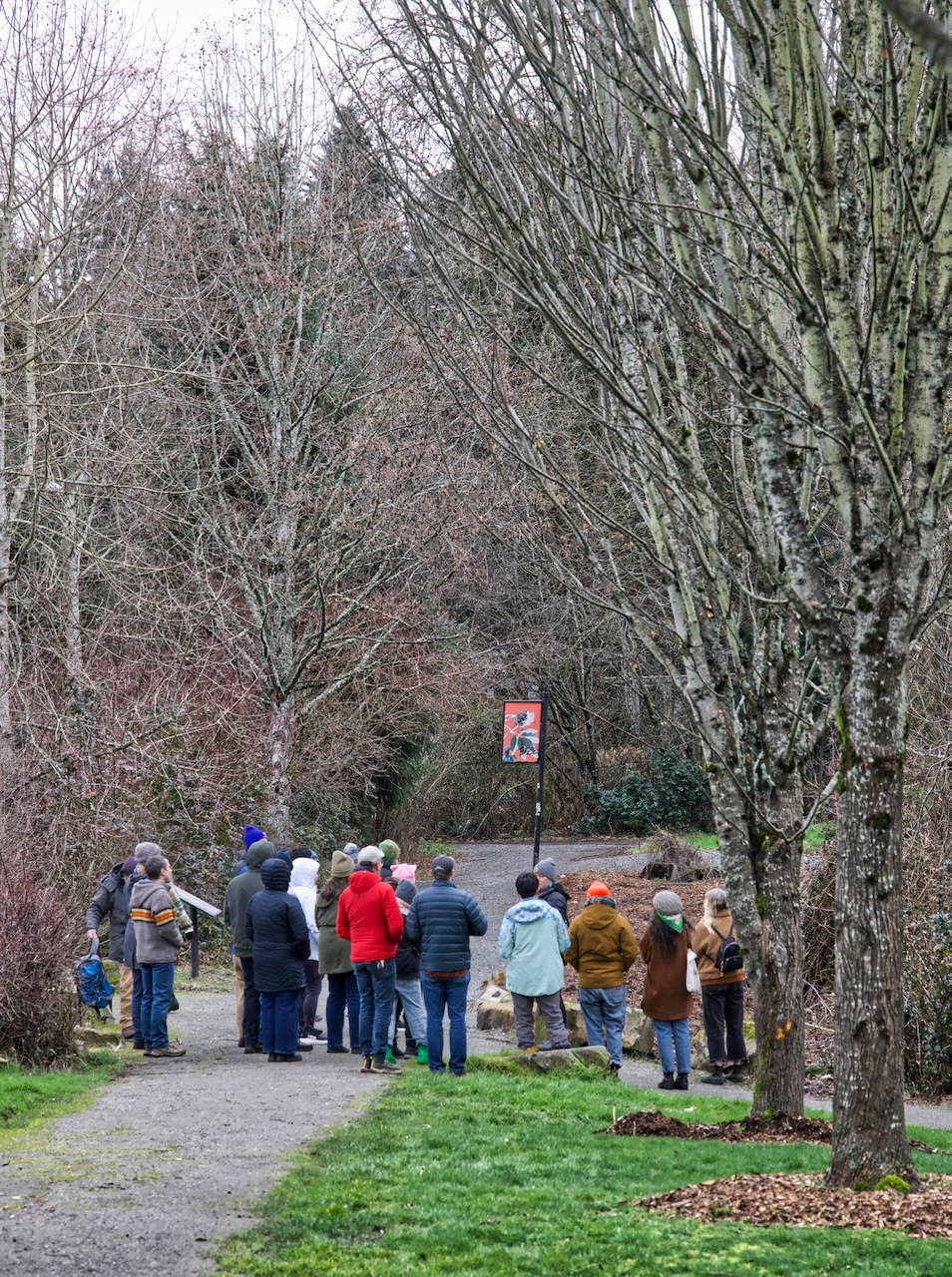
The installation of a water barrier and other restoration efforts were celebrated at the Roxhill Bog, which is part of Roxhill Park, on February 19. A series of community organizations working with Seattle Parks and Recreation made the work possible.
photo by Patrick Robinson
Thu, 02/19/2026
On a classic Pacific Northwest day, local advocates, scientists, and city officials gathered at Roxhill Park to celebrate a "major milestone" in the restoration of the Roxhill Bog. The event marked the successful completion of a pilot project designed to rehydrate one of Seattle's last remaining peat wetlands, which had been slowly drying out for decades.
The Power of Peat
Peat bogs are rare, ancient ecosystems that take millennia to form. Created from Sphagnum moss, sedges, and grasses in oxygen-deficient (anaerobic) conditions, peat develops into a dark, sponge-like material that can consist of up to 90% water.
These wetlands are ecological powerhouses that serve several vital functions:
• Carbon Sequestration: Bogs are "huge key carbon" sinks, collecting more carbon than forests.
• Water Filtration: As the headwaters of the 3.5-mile Longfellow Creek, the bog filters and cleans water that eventually supports coho salmon and other wildlife downstream.
• Flood Mitigation: By acting as a natural sponge, the bog slows down storm water, reducing downstream flooding and stabilizing flows.
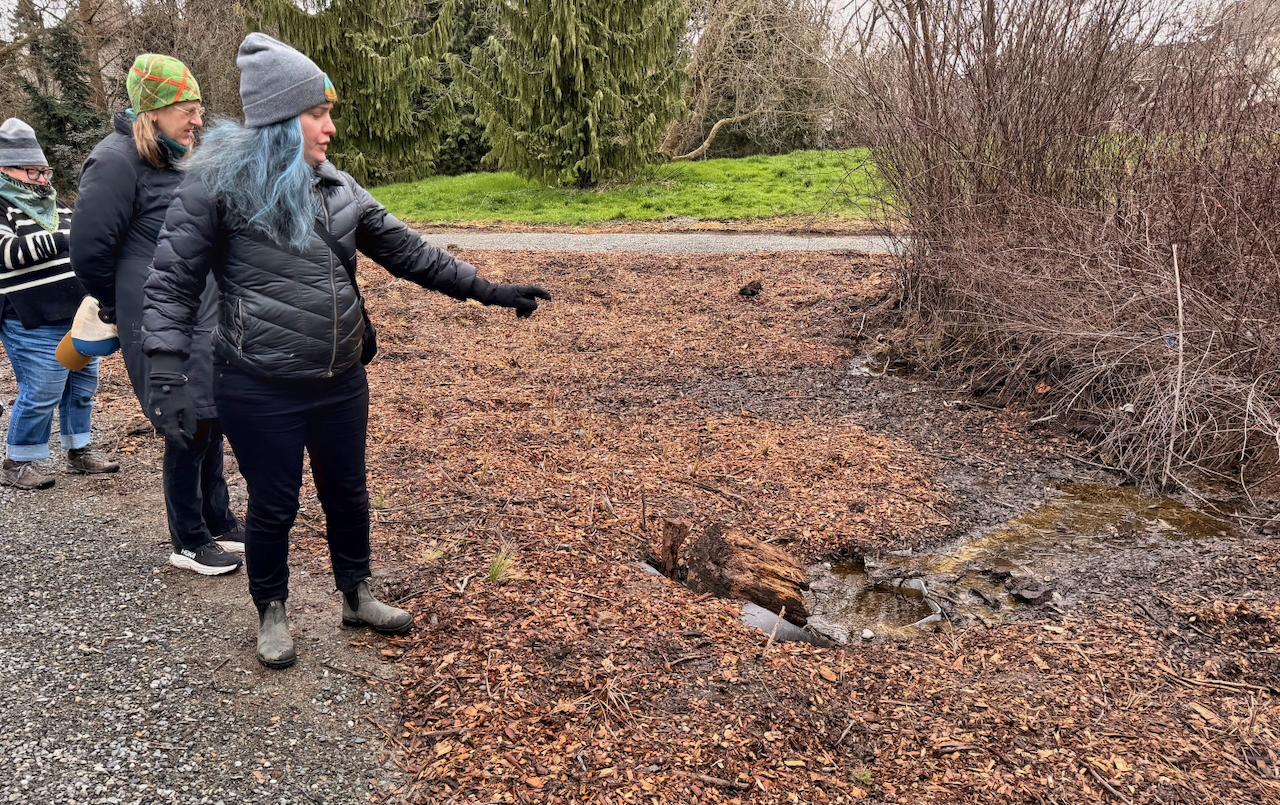
Restoring the Headwaters The restoration milestone centered on the installation of an underground groundwater block. Steve Winter, a hydrologist with Natural System Design, explained that the barrier was installed eight feet deep to intercept groundwater and bring it back to the surface. "When you see that surface water, that represents a surface that's about 4 feet above where it was for the past many, many decades," Winter said, noting that keeping peat wet is essential to prevent it from disintegrating.
Voices from the "Peat Party" The celebration featured speakers from the various organizations that formed the coalition behind the project:
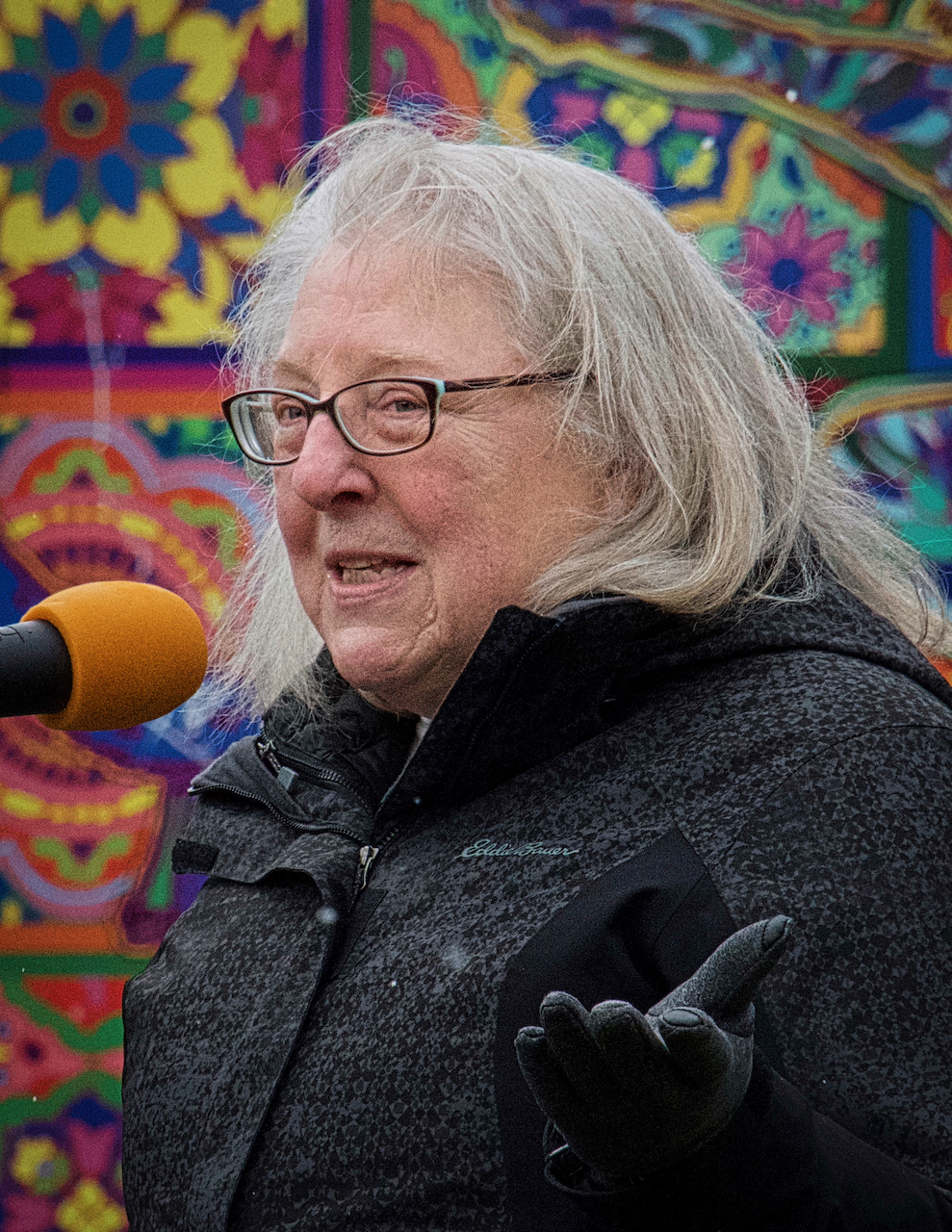
• Sharon Leishman (Duwamish Alive Coalition): Leishman highlighted the power of individual stewardship, specifically praising local resident Scott Blackstock, who raised the alarm about the drying bog over 20 years ago. "This is like a great example of how stewardship that’s collaborative can really move the needle," she remarked.
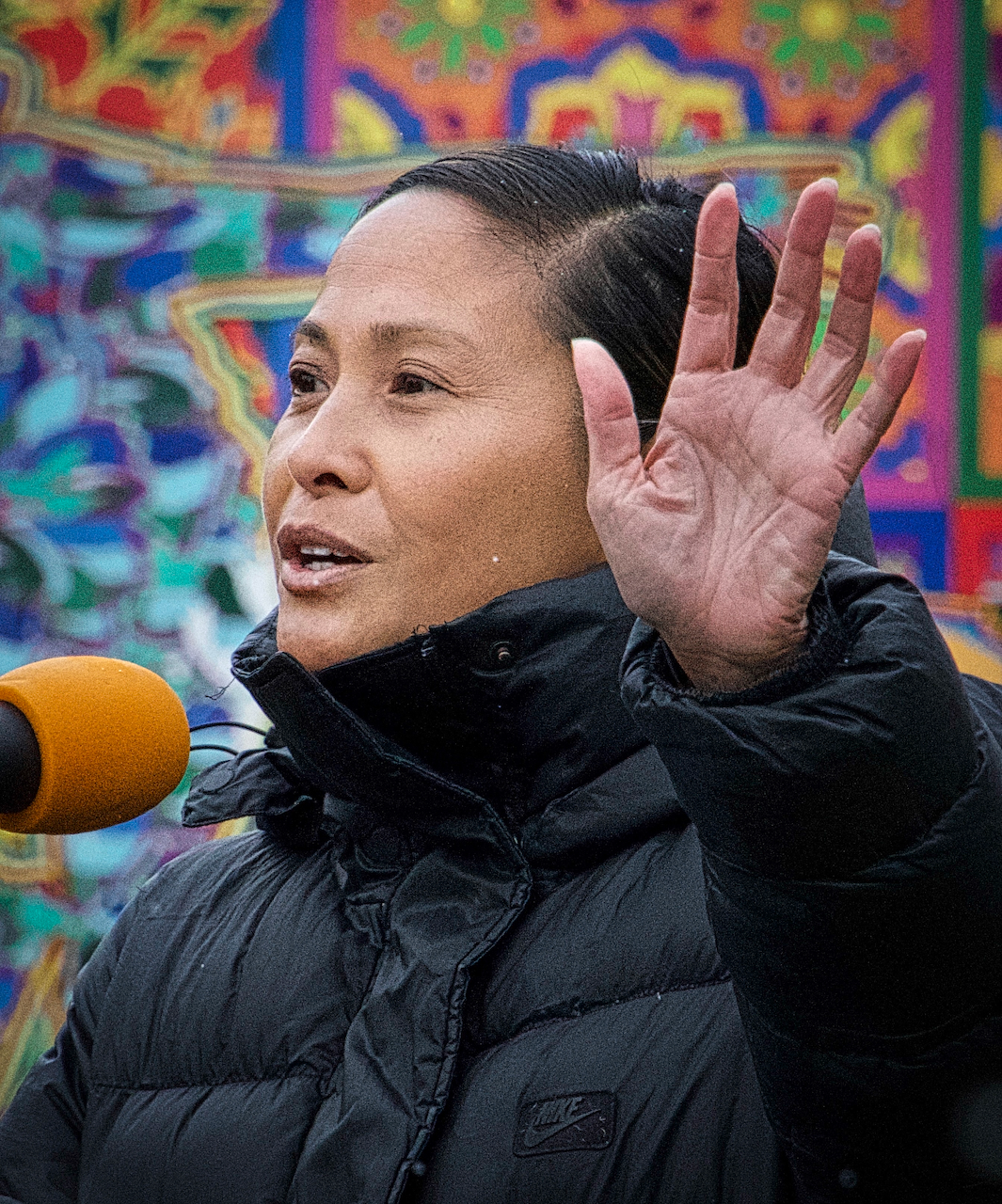
• Daisy Catague (Seattle Parks and Recreation): Catague described the bog as a "living classroom" and a "rare ecosystem". She stated, "Today is much more than a project. It’s about what happens when community refuses to give up a place they love".
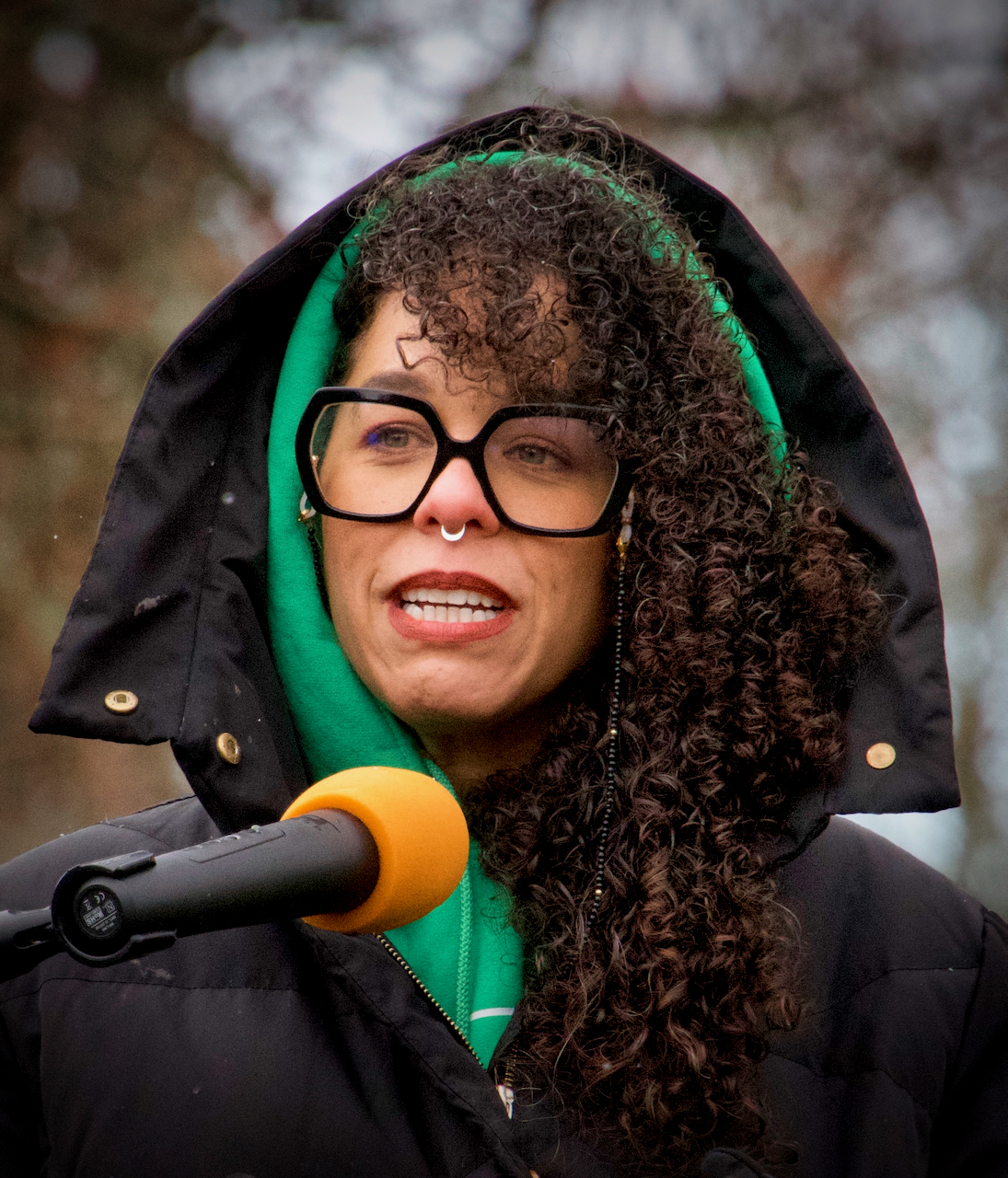
• Shannon Woodard (Delridge Neighborhood Development Association): Woodard spoke to the human element of the park, sharing how green spaces help build community for residents in affordable housing. "These spaces are really truly what bring us together. And it is so rare to find them in neighborhoods in Seattle," she said.
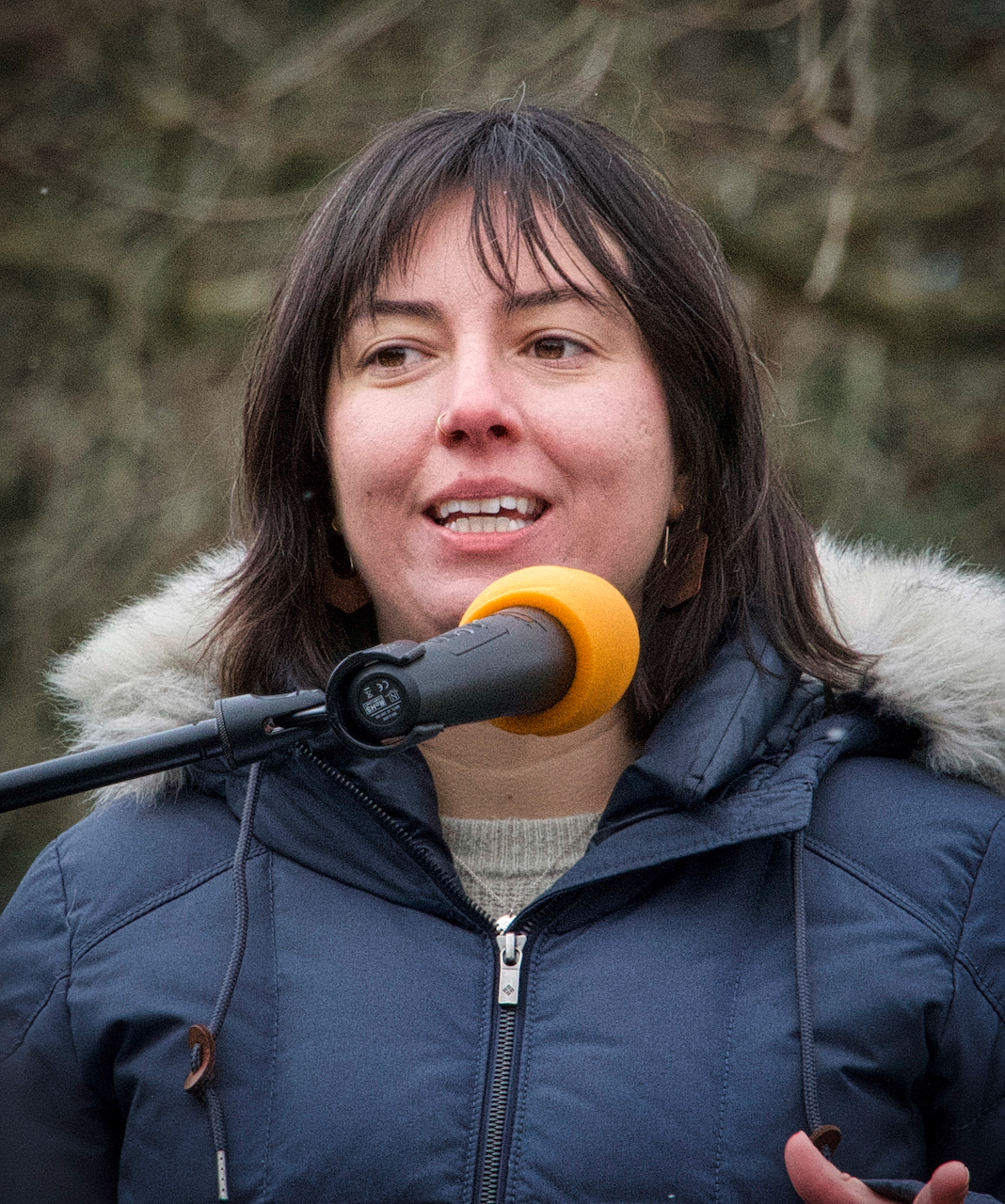
• Neina Chapa (American Rivers): Chapa, who jokingly dubbed the event a "Peat Party," emphasized that the project serves as a "proof of concept" for integrating nature into urban storm water systems. She noted, "By restoring this peat wetland, we’re not only improving one site, we’re helping clean and store water, improve salmon health, [and] reduce the impacts of flooding".
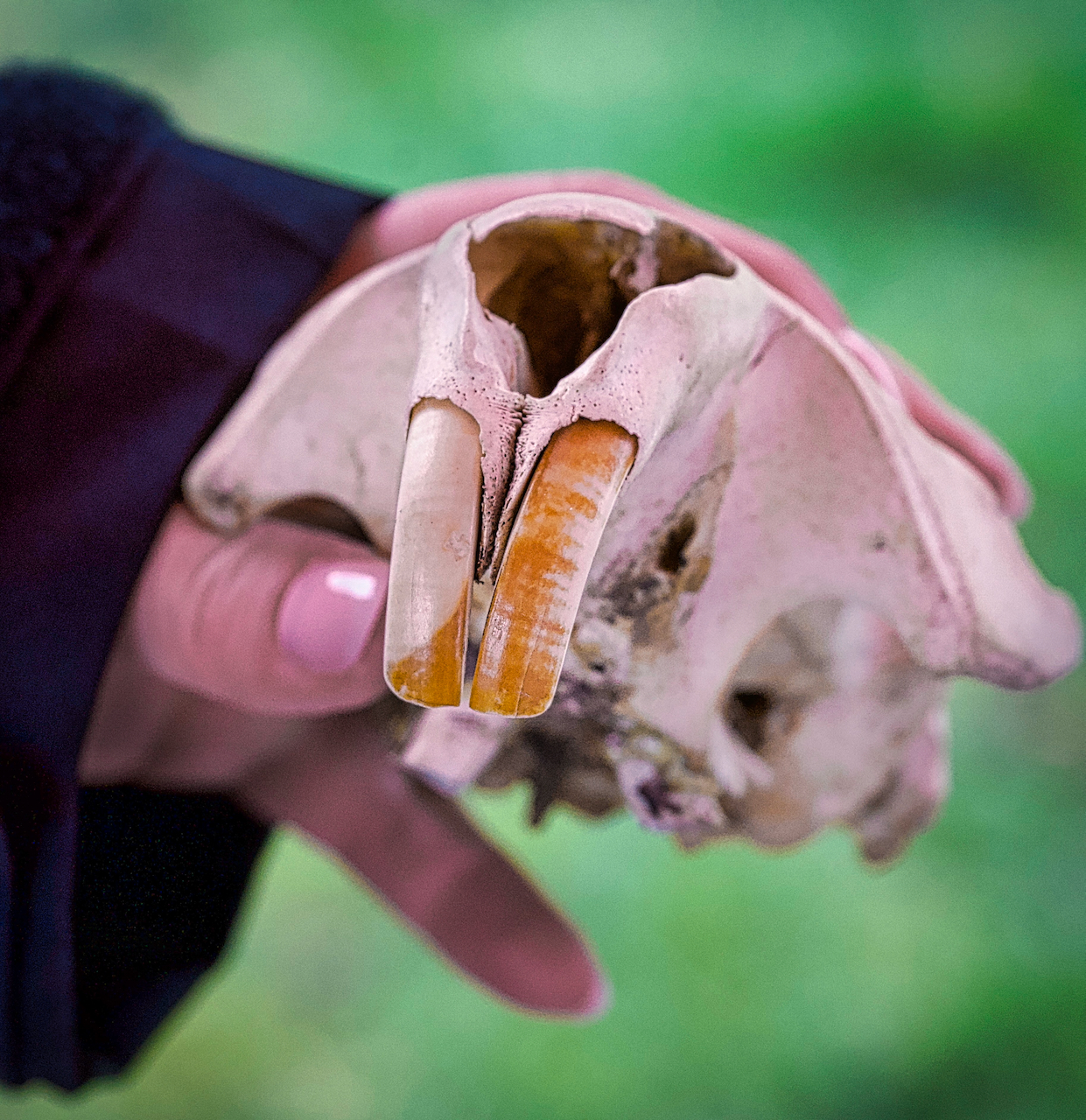
Looking Ahead While the current success is limited to one section of the bog (known as "cell 4"), the coalition views this as just the beginning. There are three other cells where this restoration could be extended, further strengthening the "thriving environment" of West Seattle and protecting the unique ecosystem for future generations.
_____________________________
Roxhill Bog Celebration
Video by Patrick and Kimberly Robinson for WestsideSeattle.com
