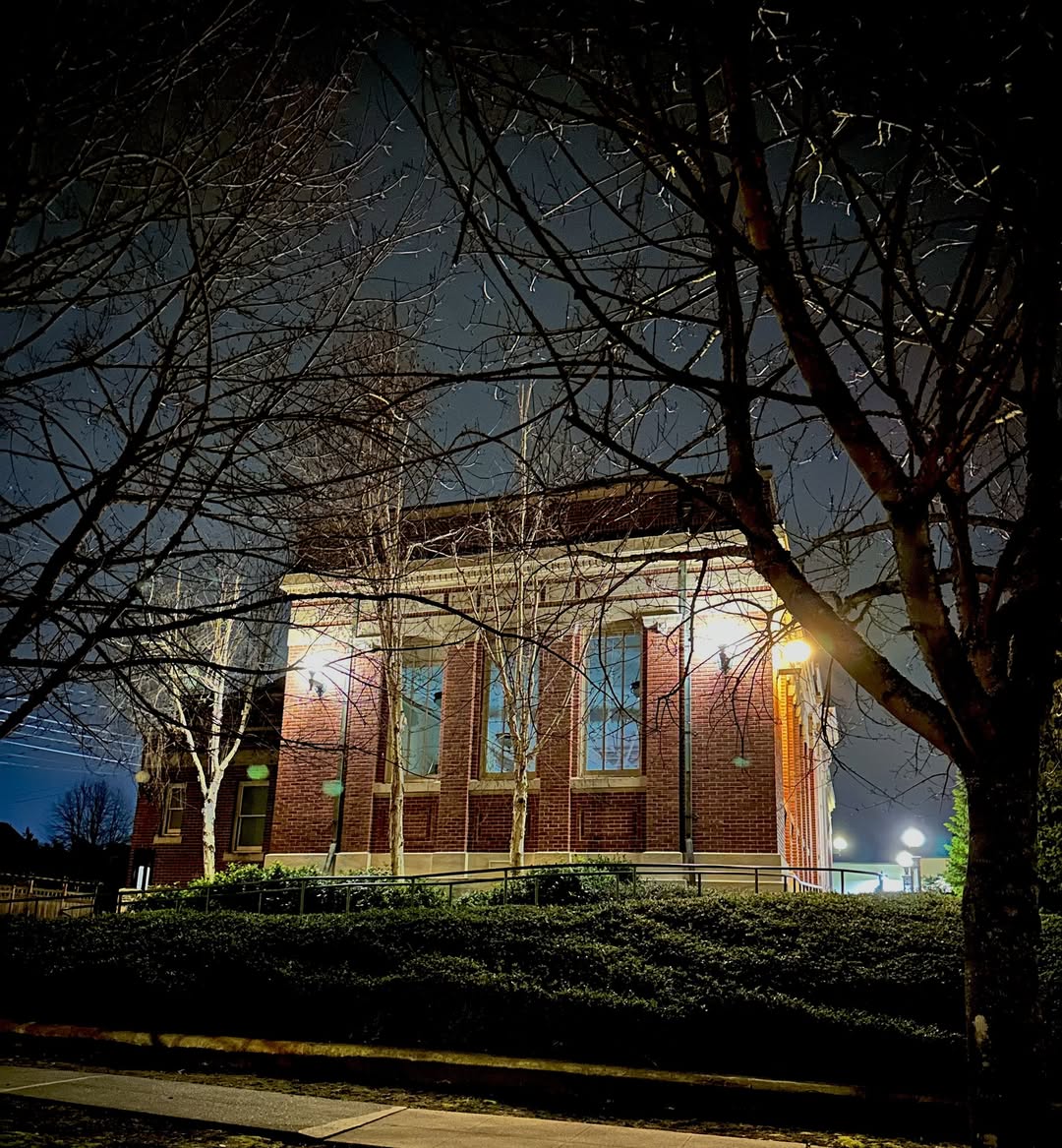
The Admiral Branch of the Seattle Public Library will close for three months starting August 9 for HVAC retrofitting.
File photo by Patrick Robinson
The West Seattle branch of the Seattle Public Library (SPL), located at 2306 42nd Ave. S.W., in the Admiral District is preparing for a significant transformation this summer as it undergoes a total modernization of its heating and cooling systems.
Starting Aug. 9, the branch will close its doors to the public, with a scheduled reopening in early November. The project is part of a broader $5.8 million initiative to upgrade five city branches—including Columbia, Fremont, Queen Anne, and University—to improve climate resiliency.
Vital Upgrades for Extreme Weather
The project is primarily funded by a June 2024 grant from the Federal Emergency Management Agency (FEMA), which is covering 90% of the costs. The remaining 10% is being split between Washington State and the City of Seattle.
The upgrades involve replacing aging infrastructure with updated electric HVAC systems. These new systems are specifically designed to reduce the facility's carbon emissions and, more importantly, mitigate closures caused by extreme heat.
"Projects like the Seattle Public Library providing more options to get relief from the heat play a critical role in saving lives and reducing the threat of extreme heat to our most vulnerable," said Victoria Salinas, a senior official with FEMA Resilience.
What West Seattle Residents Need to Know
As the closure approaches, West Seattle patrons should be aware of several key deadlines:
- July 29: This is the final day to use the West Seattle branch as a pickup location for holds.
- July 31: After this date, any pending holds at the West Seattle branch will be automatically transferred to the High Point branch, located at 3411 S.W. Raymond St..
- Aug. 9: The branch officially closes for construction.
Library officials advise residents to update their preferred hold locations through the SPL website or by calling 206-386-4636. While the West Seattle building will be inaccessible, library programming and events will continue at nearby branches throughout the summer.
The work at the branch will be comprehensive, involving the removal of existing heat transfer systems, the installation of new cooling units, and upgrades to electrical breakers and control systems to ensure the library remains a reliable cooling center for the community in the years to come.