
Sound Transit unveils $2.6 Billion savings for "Shovel Ready" West Seattle Light Rail redesign; Other major changes shared
Early work could begin within 90 days of Board approval
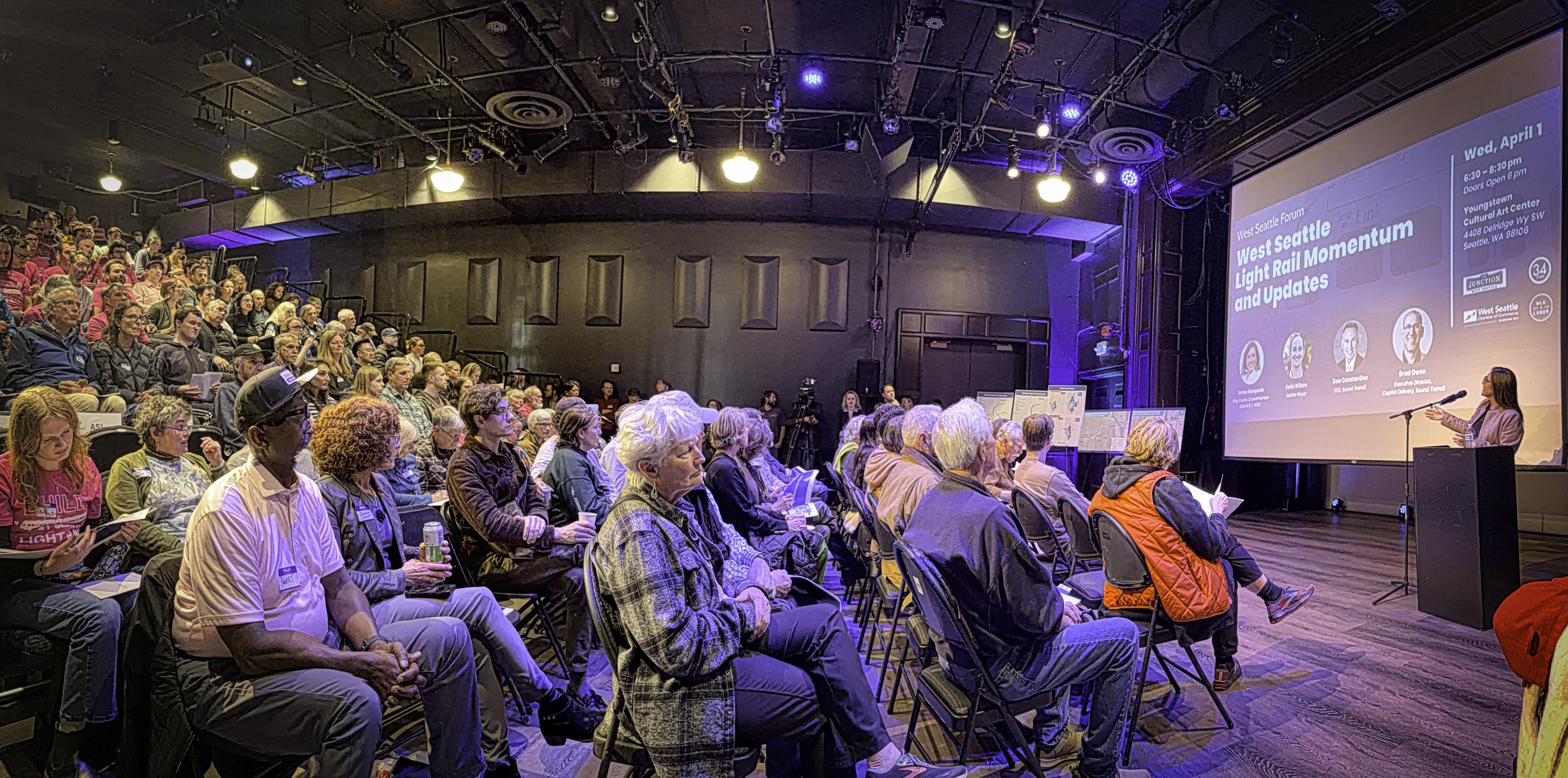
The Sound Transit update meeting at Youngstown Cultural Arts Center was crowded and brought a lot of clarity to those with questions. Major changes announced during the meeting seemed to satisfy many attendees.
Photo by Patrick Robinson
Wed, 04/01/2026
At a crowded community forum at the Youngstown Cultural Arts Center, Sound Transit officials and local leaders presented a transformed vision for the West Seattle Link Extension, announcing a redesign that identifies "at least" $2.6 billion in savings while preserving critical local landmarks.
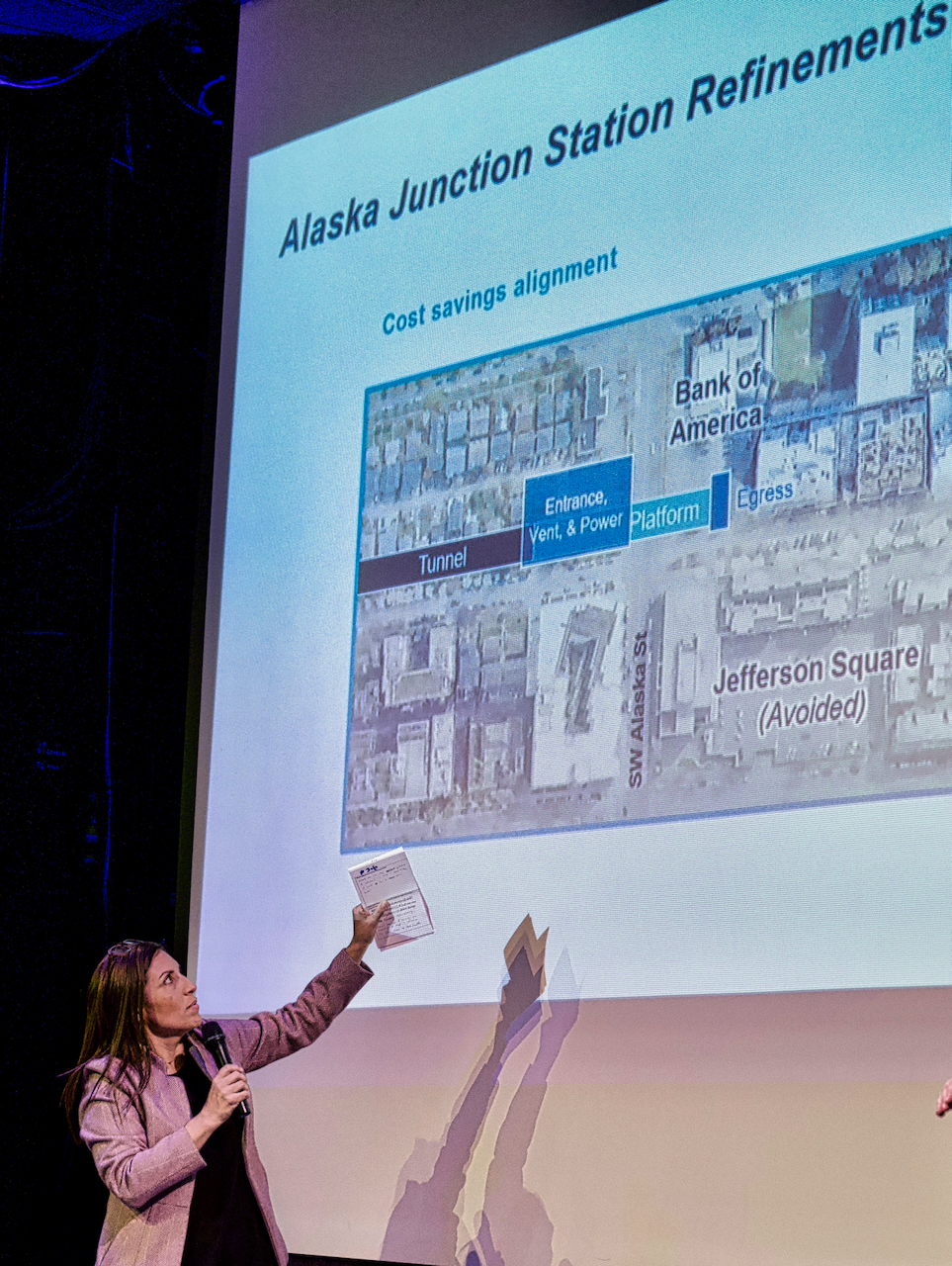
King County Councilmember and Sound Transit Board member Teresa Mosqueda described the update as a "critical moment for West Seattle" and the entire network, noting that since a preliminary meeting in November, the agency has successfully identified ways to "further identify cost savings, reduce impacts on small businesses and residents and still deliver light rail to West Seattle with the same ridership". Mosqueda declared the project a "win-win-win" and announced that the design work is now "shovel ready," meaning the agency "could break ground on building West Seattle within 90 days if given the go-ahead from the Sound Transit board".
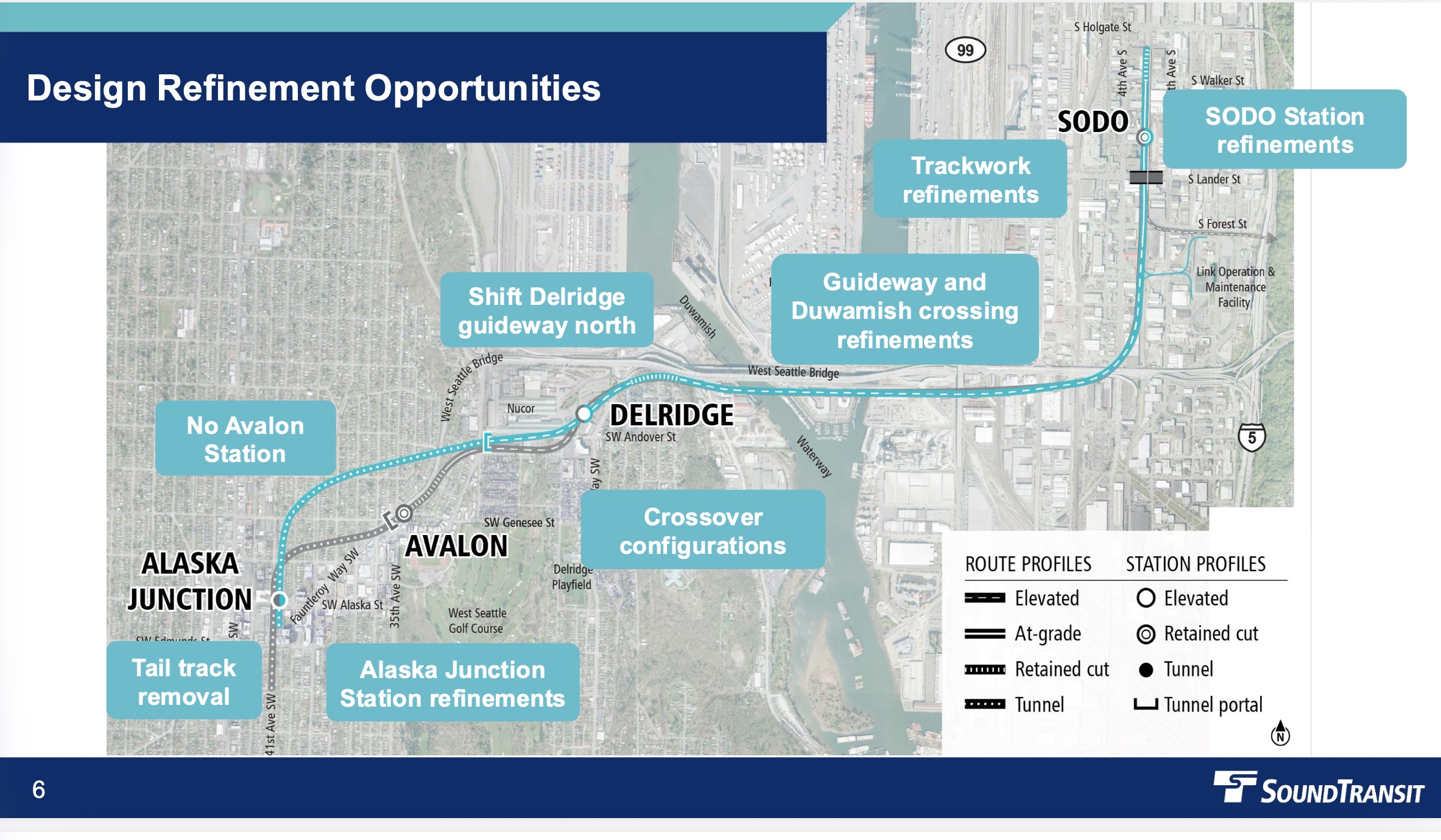
The most significant change announced (though this news was revealed last month in the wake of the Sound Transit Board retreat) was the elimination of the Avalon station.
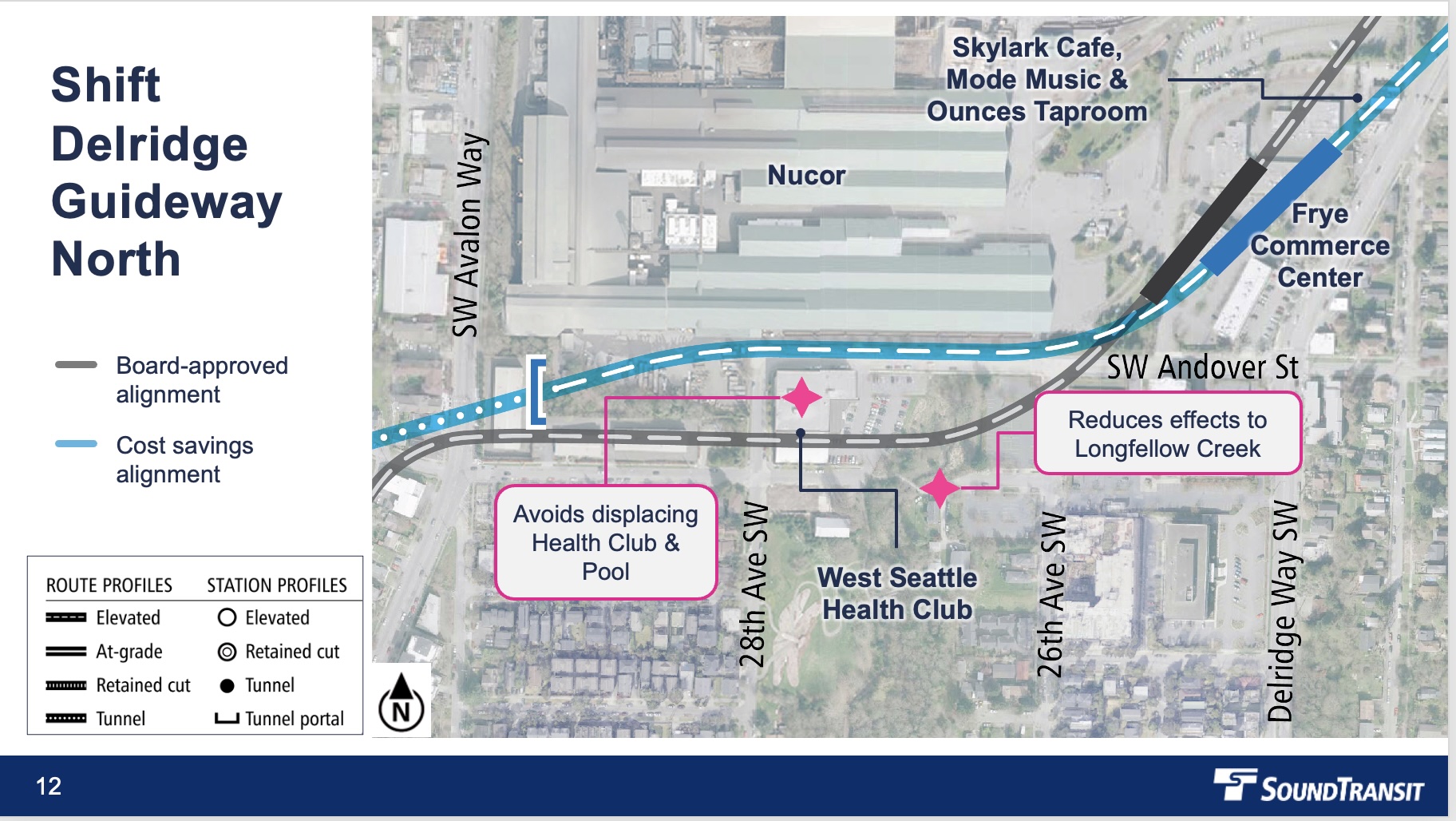
While Mosqueda noted that this is something leaders "take very seriously," she explained that the move "meant that we are able to preserve nearly all of the homes that were potentially in the pathway and all of those businesses up there while maintaining ridership". Sound Transit Commercial Director Jason Hampton elaborated that removing the station "unlocks opportunities for savings along the entire alignment" by allowing engineers to "optimize the alignment, move some track work around, and really reduce impacts to the community".
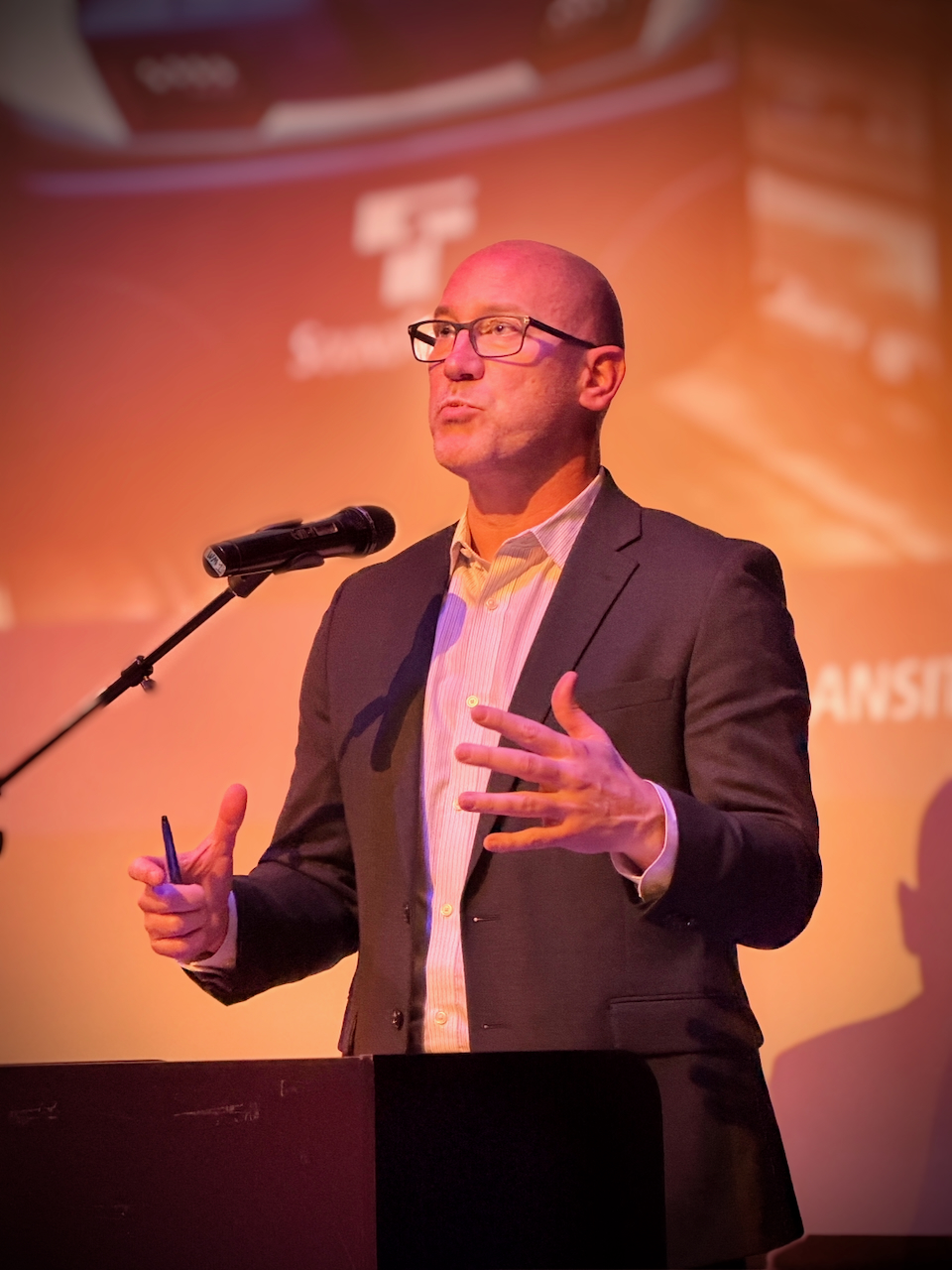
Brad Owen, Sound Transit's Vice President of Program Development, highlighted the unprecedented nature of the current cost-saving efforts, stating, "I’ve built projects across the nation. I’ve actually never been a part of a of a process that um that saved this much money on a project without degrading the service or what we were providing to the community."
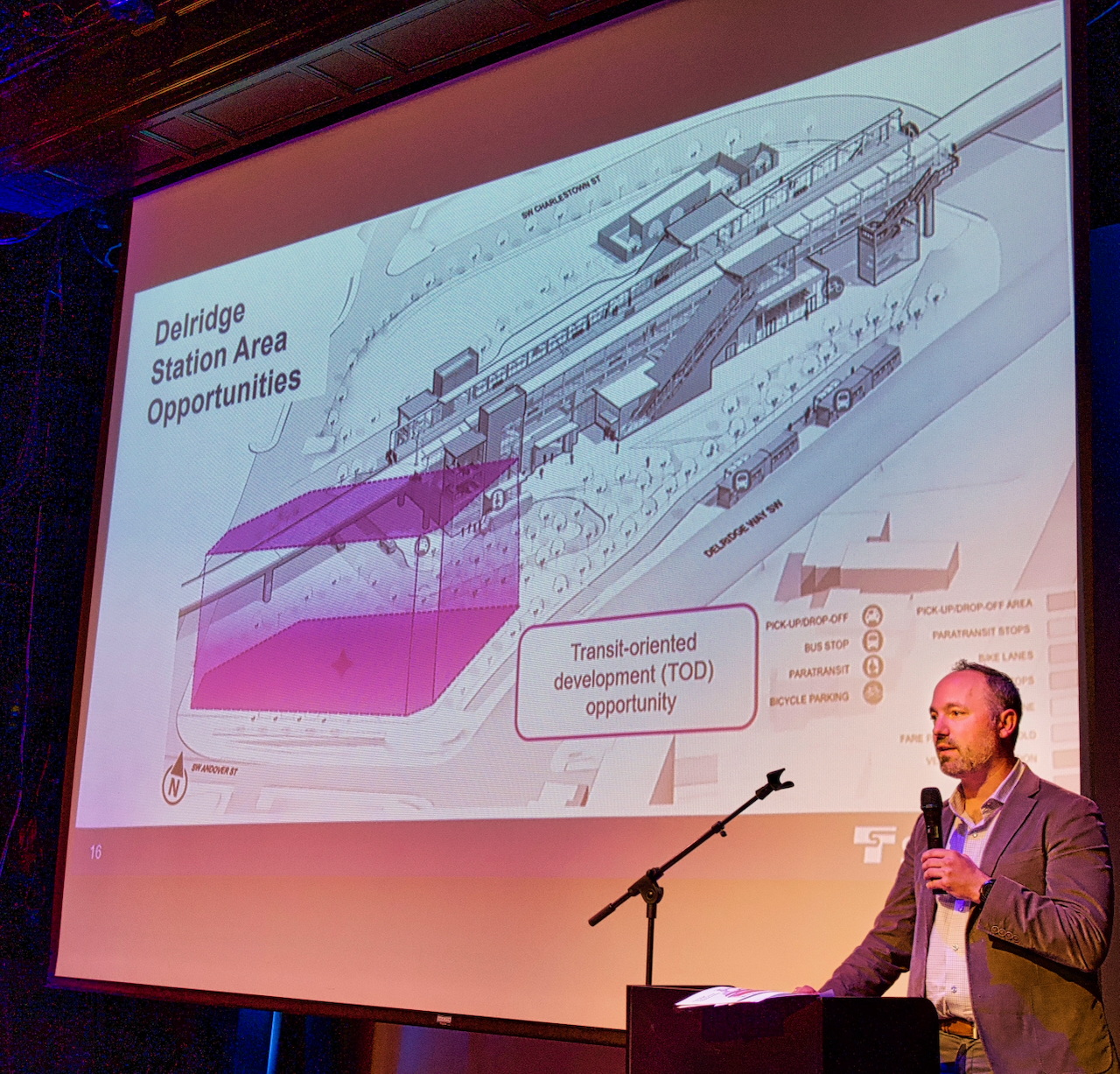
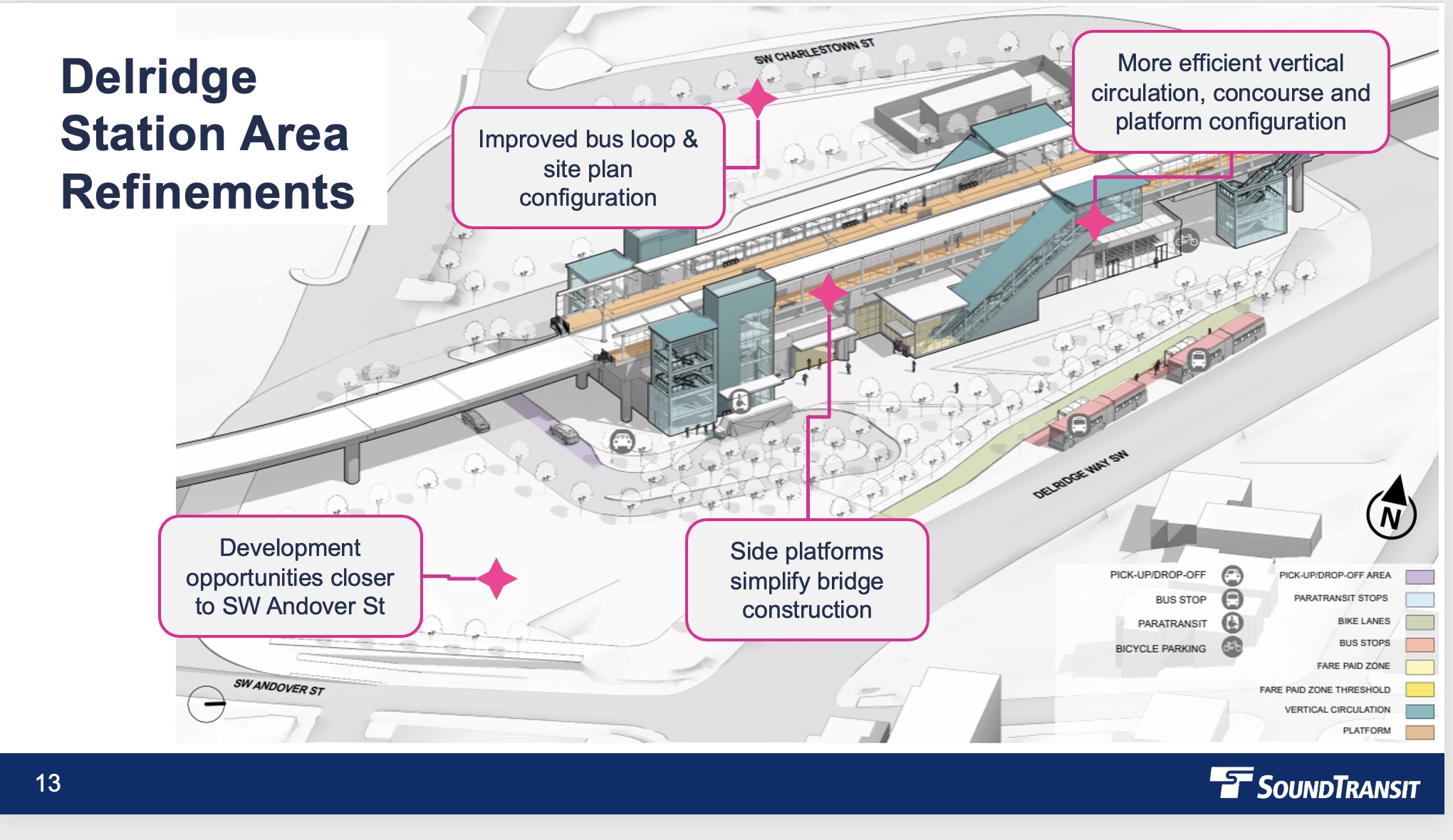
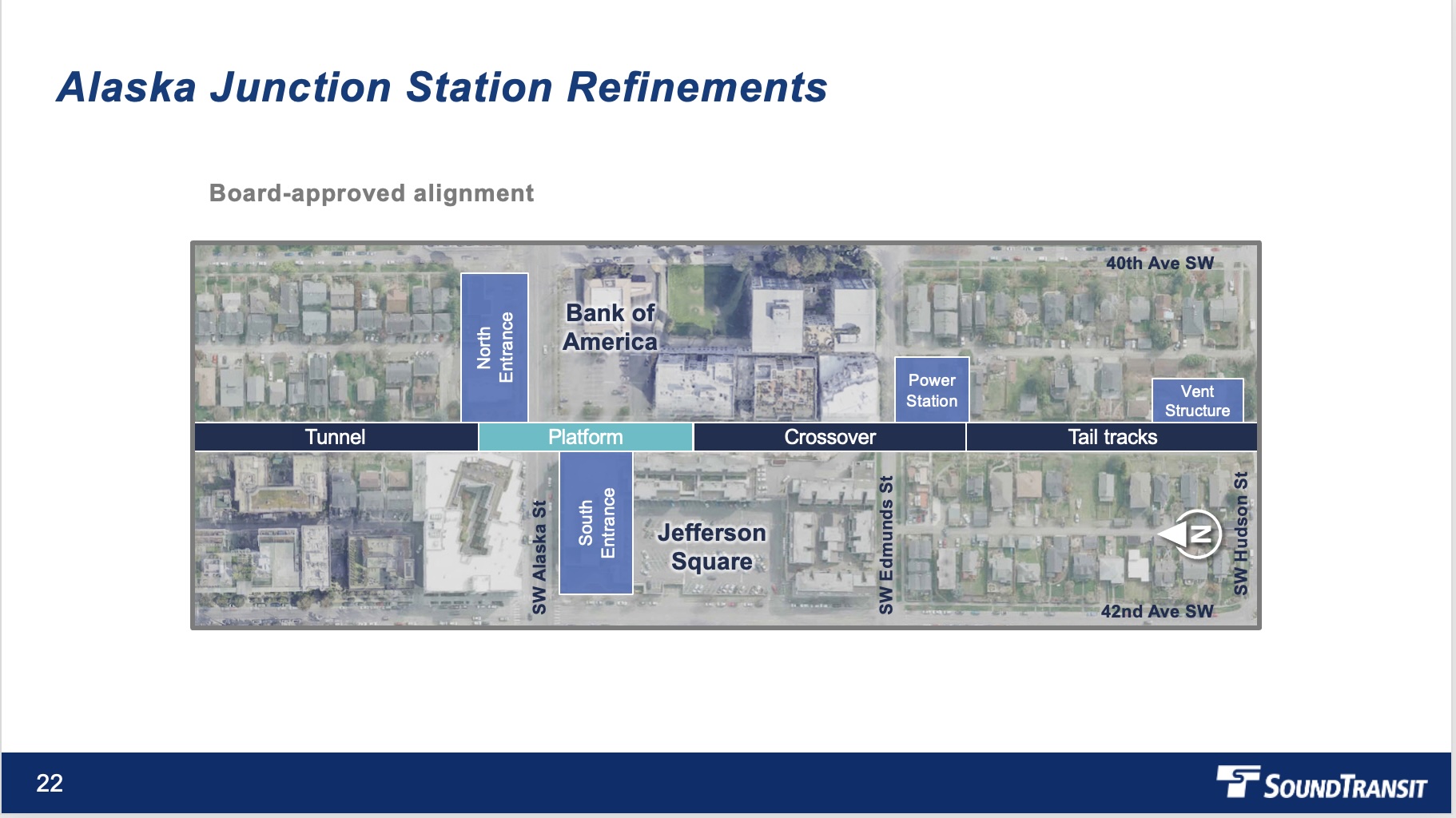
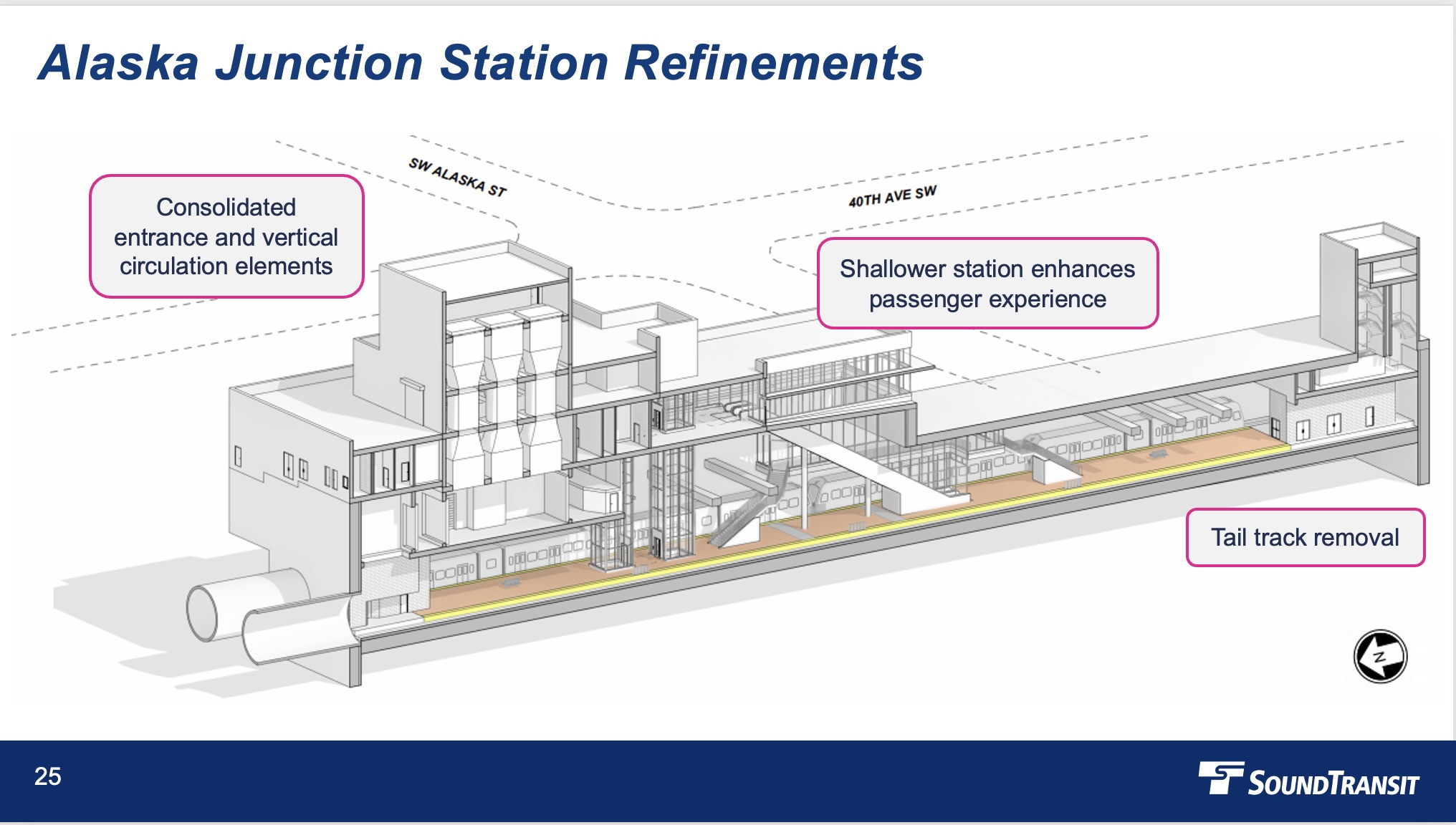
Further details regarding the alignment and station designs included:
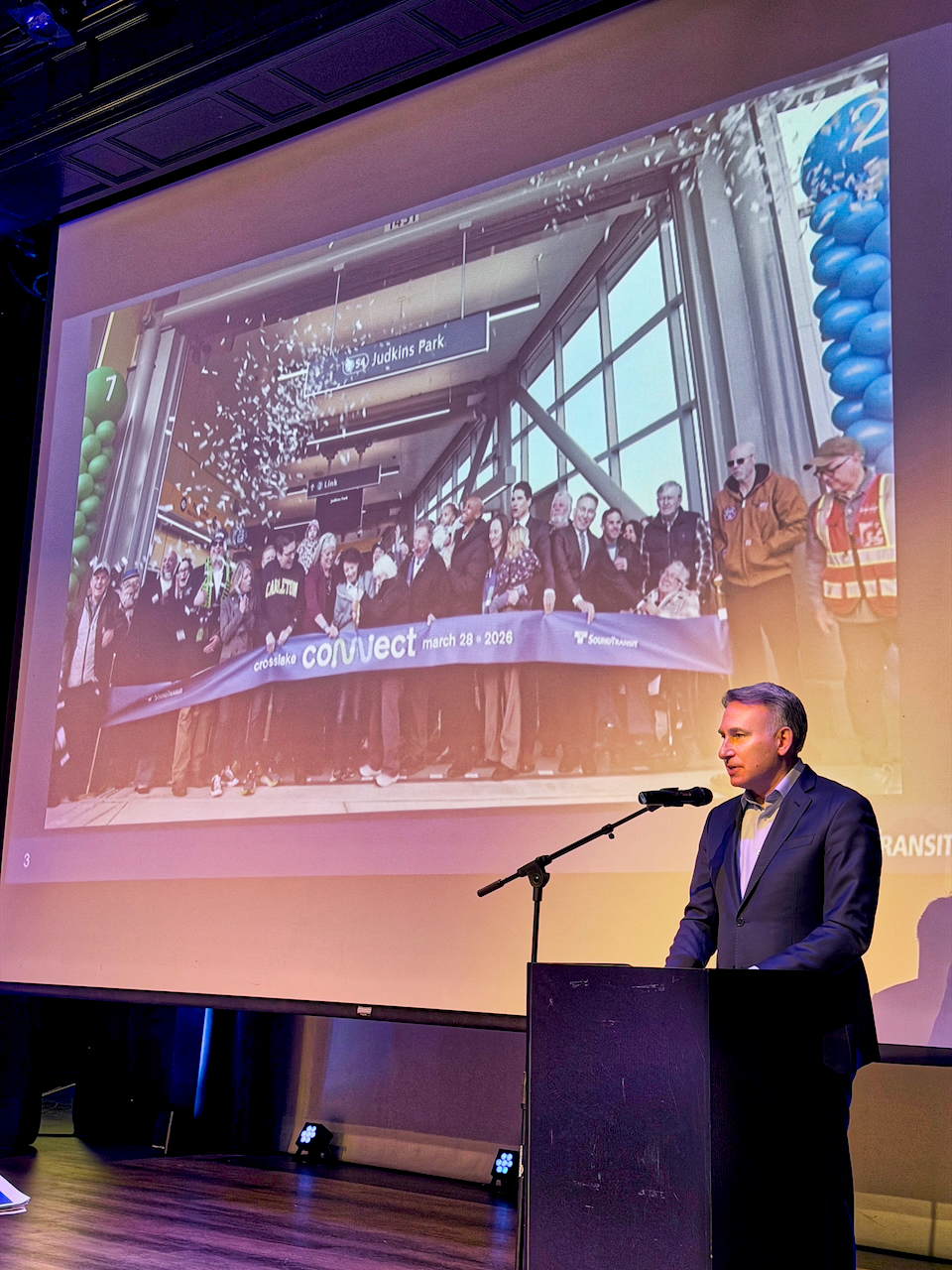
Sound Transit CEO Dow Constantine explained that when he took the reins a year ago, he gave the capital team a "mandate to create savings while designing an even better product" following pandemic-related cost increases. He emphasized the agency is focused on a "financially sustainable trajectory" and delivering the "system voters approved in 2016".
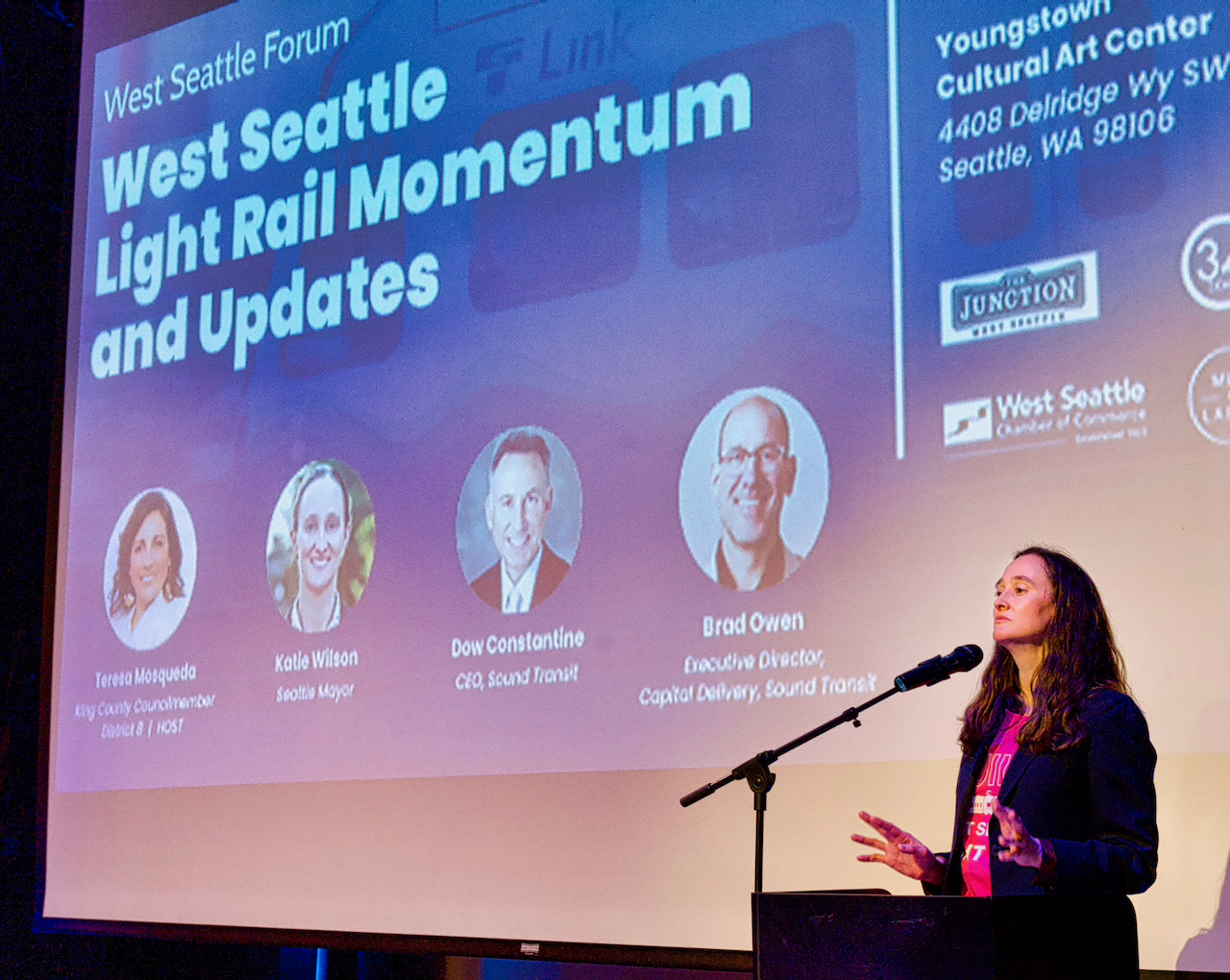
Seattle Mayor Katie Wilson echoed this urgency, stating, "we’ve got a shovel ready, affordable plan for West Seattle that builds to Alaska Junction and shovels in the ground this year". She warned that "delay isn’t just harmful, it’s also expensive," with costs growing by "tens of millions of dollars each month that the projects are delayed".
The second half of the meeting featured a lively Q&A session moderated by Councilmember Mosqueda, where residents queried a panel including Sound Transit’s Brad Owen and Jason Hampton, along with representatives from Metro Transit and the City of Seattle.
Transit Integration and the "Sodo Shuttle"
Concerns were raised regarding the interim period where the West Seattle line will operate as a "sub line" to Sodo station. Steve Crosley from Metro Transit addressed fears of a "three-seat ride" to downtown, stating that while restructures are planned in advance, the current intent is "to run the H-line and the C-line and those routes into downtown" until the full Ballard Link extension opens. Regarding ferry commuters, Crosley acknowledged there would likely be "a walk from the link station to the ferry terminal," but emphasized that Metro and Sound Transit are "working very closely... to provide the best service to our shared customers".
Small Business Protections and TOD
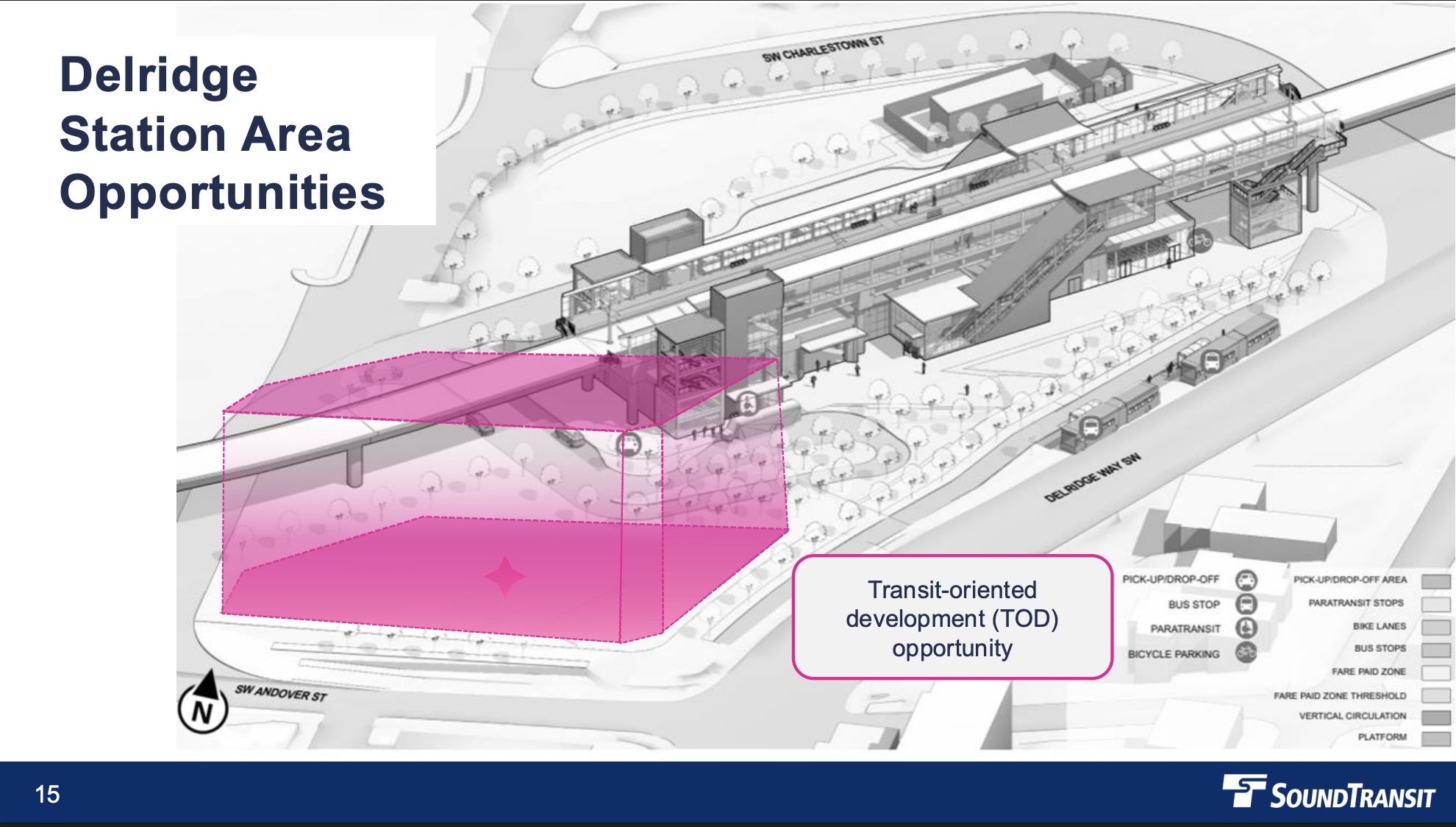
Mosqueda used the forum to advocate for displaced small businesses, stating, "I would like our small businesses to be able to come back to that location if they’re affected" through a proposed "policy of rights of first refusal". When asked about Transit-Oriented Development (TOD) at the Delridge station—represented on slides as a "pink box"—Hampton clarified the agency is at "0% design" and seeking input on community desires for "affordable housing," "childcare centers," and "safe public space".
Construction Timelines and Logistics
Brad Owen addressed the definition of "shovel ready," clarifying that while the board could authorize work soon, the initial phase involves "enabling works or early works" such as "drilling big holes in the ground to test... foundations" and geotechnical work. He noted that it will likely take "18 months to two years until we have equipment across the entire alignment". When asked if West Seattle trains could simply use the existing downtown tunnel to avoid the Sodo transfer, Owen called the prospect "incredibly complicated," noting the tunnel "was not built for that many trains" due to power and safety system limitations.
Mosqueda concluded the meeting by reiterating the goal for a final board decision by "the end of May" to maintain the project's momentum and begin delivering on the "historic opportunity" of light rail in West Seattle.

© 2025 Robinson Communications Inc. All Rights Reserved.