
Highland Park leaders call for immediate halt to SDOT project, citing safety risks and poor outreach
Highland Park leaders call for immediate halt to SDOT project, citing safety risks and poor outreach
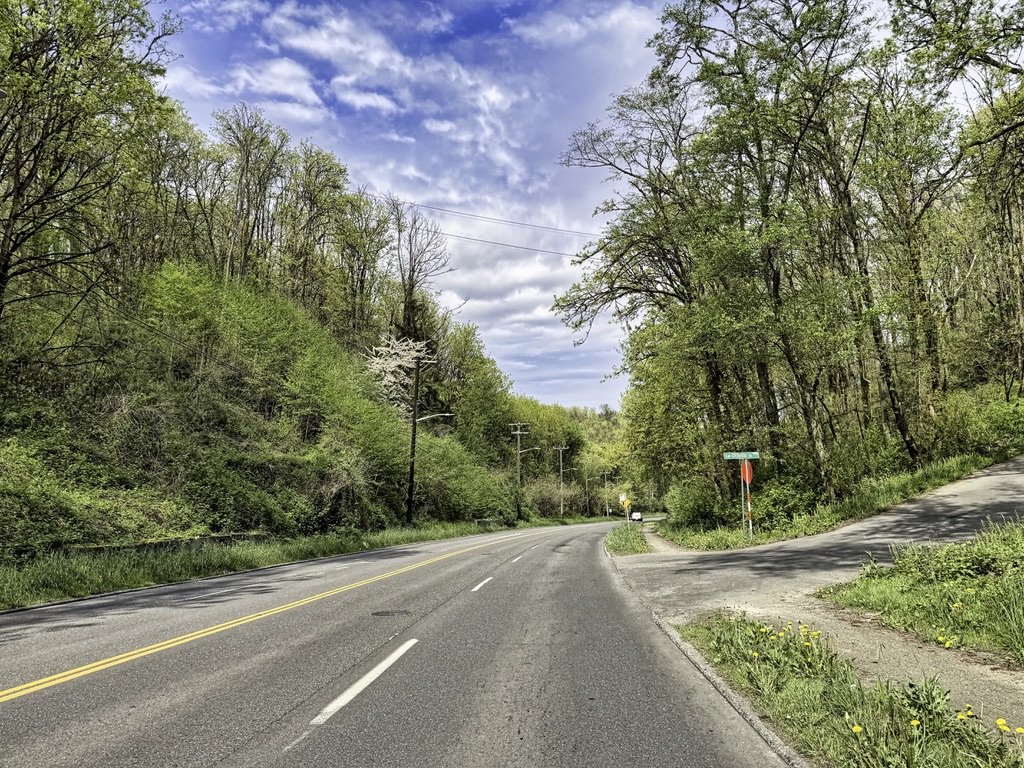
Highland Park Way SW.
Photo by Patrick Robinson
Wed, 05/27/2026
Community leaders with the Highland Park Action Committee are demanding that the Seattle Department of Transportation (SDOT) “hit pause” on the Highland Park Way SW Connection Project, alleging that current design options ignore critical safety concerns and community feedback. In a formal mandate addressed to SDOT’s Acting Director, neighborhood advocates expressed frustration that the current plans fail to provide the quality, multimodal infrastructure required for the fast-growing area.
The primary point of contention involves a steep 11% grade and a blind curve where the proposed design forces downhill traffic directly adjacent to speeding uphill drivers. Residents argue that without a physical center barrier, drivers are being used as "traffic calming devices," increasing the risk of sideswipe accidents. Furthermore, the mandate highlights a lack of pedestrian infrastructure near active bus stops and "afterthought" designs for neighborhood entry and exit points.
Beyond engineering concerns, the community is reporting a breakdown in the engagement process, citing unanswered emails and a lack of transparency from the project team. Advocates are calling for a vision they term "Highland Parkway"—a greener, safer connection that reflects the natural beauty of the Duwamish Greenbelt and provides equitable infrastructure for a historically underserved neighborhood.
--------------------------------------------------------------------------------
The Highland Parkway Community Safety Mandate
Acting Director Brady,
We are writing regarding the 2026 early design options for the Highland Park Way SW Connection Project with an urgent request: Hit pause on this project until SDOT can make a genuine commitment to work in collaboration with the community on design and to elevate their aim to accomplish a project that provides quality, multimodal infrastructure on Highland Park Way that will serve our fast-growing community for decades to come.
In 2024 SDOT did robust community outreach on this corridor and we do not feel that the current designs are responsive to that feedback or account for concerns communicated within their report. This letter outlines our concerns and asks for next steps.
Safety concerns that are not addressed in 2026 early design options:
To slow driving speeds and reduce accidents, SDOTs proposal forces all downhill traffic left, directly adjacent to uphill drivers speeding up a road with 11% grade, rounding a blind curve without any plans to install a median barrier. This proposal does not support reduction of sideswipe accidents which are the most common type on the route (SDOT Volume & Crash Data). Instead, drivers are being forced to become traffic calming devices, endangering themselves, their families and their personal vehicles. We feel strongly that a physical center barrier is essential to delivering a safe project.
Current design accommodations for the two un-signaled entry and exit points on the hill—SW Othello neighborhood & Pioneer Industries—appear to us to be little more than an afterthought rather than a proposal that fully considers the challenges our neighbors will face entering and exiting Highland Park Way, when there is an unbroken flow of downhill traffic during commute hours. At a recent meeting with SDOT, residents of the SW Othello neighborhood walked away feeling their safety concerns were unheard. This design process should be an opportunity to address these safety concerns as well as the lack of pedestrian infrastructure on the north (uphill) side of the road, despite three active bus stops.
Rather than expanding and improving bike infrastructure using available City owned land, we see in the current design multiple risks for unsafe interactions between pedestrians and cars, pedestrians and bikes, cars and cars, and buses with bikes.
As we know from recent history, Highland Park Way is one of only three regional routes for entry and exit to all of Southwest Seattle both during normal operations AND times of extreme emergency. It also runs through a landslide zone where on the upside slope and moving slides and trees significantly blocked traffic lanes on at least 2 occasions in the past nine years.
We have concerns over the community engagement process and lack of response to community feedback:
Despite having at least two team members specifically tasked with public engagement, the Highland Park Way SW Connection project team has been notable for their lack of follow up and communication with the community during the timespan of this project to date. Emails are not answered, deadlines are not met, and requests for information are met with FOIA request requirements instead of simple direct conversations.
As you consider our safety and community process concerns, please also keep in mind the gateway nature of this route as an entry point to the Highland Park, Riverview and South Delridge neighborhoods. Projects like this are an opportunity to reflect our values with the infrastructure investments we make.
Our vision is that Highland Park Way be re-considered as—Highland Parkway—a greener, gentler entry/exit/connection to this area. The Duwamish Greenbelt it bisects is a vast City owned space and park for future generations, supporting rich natural habitat, and providing easy access to trails that provide respite from the urban environment. This space promises to be a resource increasing in importance and value over time with swelling population density.
We note the thoughtful design and landscaping solutions SDOT recently rolled out on the beautiful, functional East Marginal Way Corridor Improvement Project, and nearby Georgetown to South Park Safety Project. We are asking for the same consideration for our chronically underserved neighborhoods, which have been historically red-lined and lack attention to our urban infrastructure.
Again, please “push pause” to give our community an authentic voice in the decision making and prioritization and let's together develop a Highland Parkway that is an elegant and functional roadway for all, pedestrians, bikers and drivers.
We believe that SDOT engineers are up to this task. Please give them your direction and support!
Thank you,
Kay Kirkpatrick & Barb Biondo, Co-Chairs
