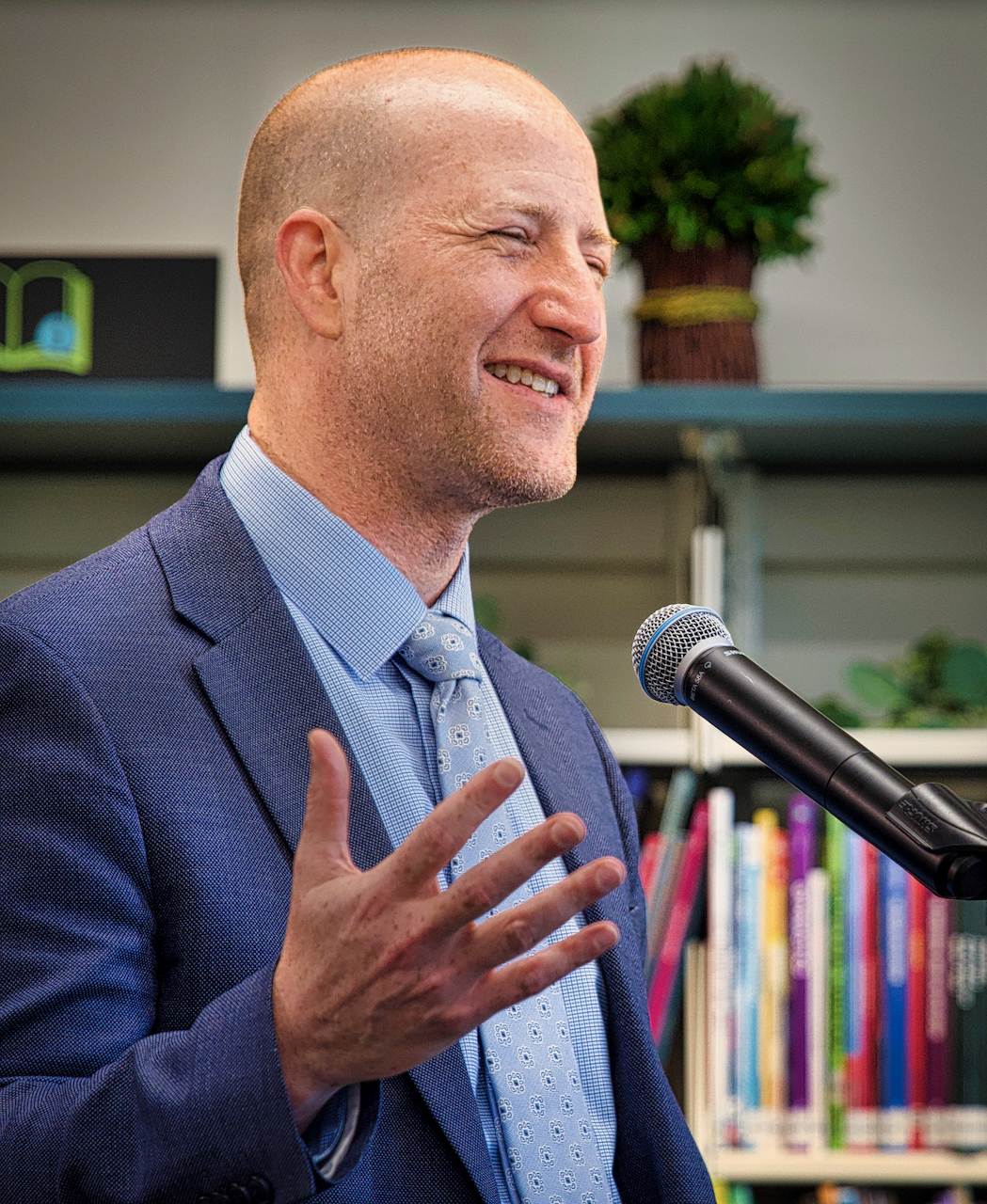
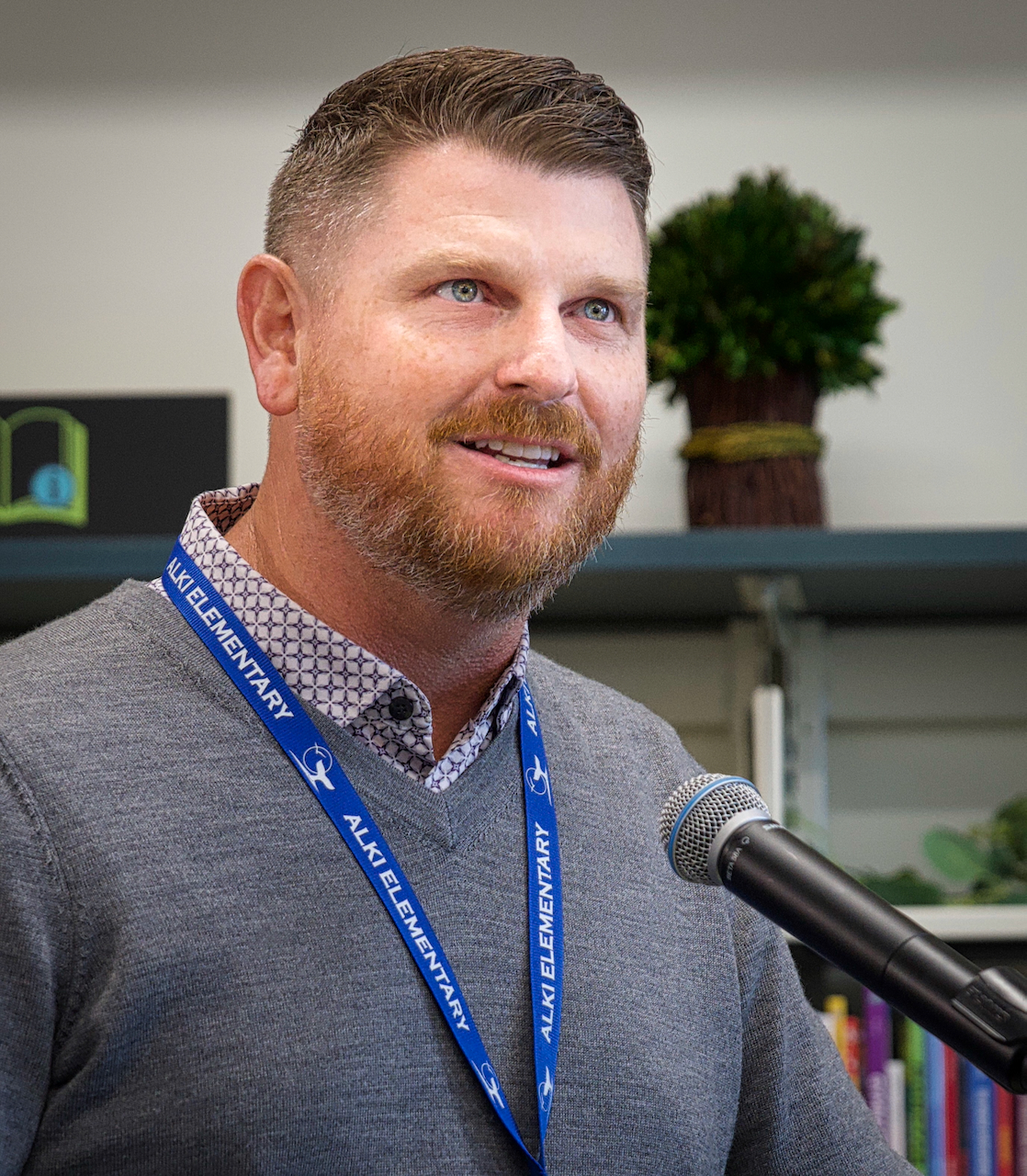
Superintendent Ben Shuldiner expressed immense relief and excitement about the timely start of school, praising the efforts of both bargaining teams. "Negotiations certainly went late into the night... we finally put pen to paper at around 10:30," Shuldiner said, thanking the Seattle Education Association (SEA) and asking families for grace regarding the late-night notice.
Details Withheld Pending Ratification
While the tentative agreement (TA) successfully averted first-day disruptions, the full details of the contract remain unreleased pending a formal ratification vote by the members of the SEA and the SPS Board of Directors.
Shuldiner declined to share specific terms of the contract, explaining the decision to wait: "We want to make sure that we are giving you what is actually going to be the CBA [Collective Bargaining Agreement] not what we think is going to be the CBA".
Shuldiner on Salaries and Budget Solvency
Addressing questions regarding teacher compensation, Shuldiner admitted that the final negotiated salary increase is "a little higher" than the 8.8% raise previously proposed by the district. Nonetheless, he maintained that the salary structure is "well within the range of where we wanted to negotiate" and will be funded through a combination of state funds, levy resources, and district operational efficiencies.
The district’s projected budget reserve of approximately $27 million, which Shuldiner had previously characterized as a "scary number", is expected to stay in that ballpark under the new contract. "I think that what we agreed to with the union puts us still around that number... probably a million up, million down," Shuldiner stated. He added that the contract is fiscally responsible and "allows us to move forward so that we can remain solvent".
A New Approach to Special Education
Special education staffing and resources were among the most intensely debated topics during negotiations. Shuldiner noted that the proposal in the tentative agreement centers on a fundamental shift in philosophy, emphasizing that "special education needs to be a service and not a place".
Instead of implementing immediate, top-down changes, the agreement establishes a collaborative, multi-year plan. "What we're proud of is that what we can say is in the TA is about a year, year and a half of really bringing people together, bringing voices together and then making sure that we try a pilot by year three," Shuldiner described, emphasizing that the district wants to evaluate alternative models in reality rather than just "theoretically".
School Closures Remain "Always on the Table"
The backdrop of the brand-new, voter-funded Alki Elementary School prompted questions about the apparent contradiction of building new schools while the district faces potential consolidations. Shuldiner clarified that capital projects and teacher salaries are funded by entirely separate streams. "We have this wonder capital levy that we can't spend on a teacher salary, but we can spend on these amazing buildings," he explained.
However, Shuldiner was candid that consolidation remains a possibility to address the district's long-term fiscal health. "It's always on the table, right? And what I've always said since I got to this community is all options have to be on the table in order for us to remain solvent". He added that larger buildings are more economically viable, noting that "small schools are inherently harder to run economically than a large school".
District-Wide "Educational Refresh"
Beyond the labor dispute, Shuldiner framed the 2026-27 school year as an educational "refresh" for SPS. This includes the roll-out of a new K-5 "Emerge" curriculum focused on the science of reading, plans to reduce student screen time and technology usage, and the introduction of standardized daily schedules.
Under these new guidelines, schools will aim for a consistent instructional model, including 120 minutes of English Language Arts (ELA) and 90 minutes of math daily. "SPS in some respects reminds me of the Articles of Confederation...every school is kind of like a different state... I'd like us to be a little bit more like the constitution where we're all kind of in this together," Shuldiner concluded