
OP ED: Empty shelves, growing lines: Why our neighborhood food bank crisis demands immediate action
OP ED: Empty shelves, growing lines: Why our neighborhood food bank crisis demands immediate action
Thu, 10/01/2026
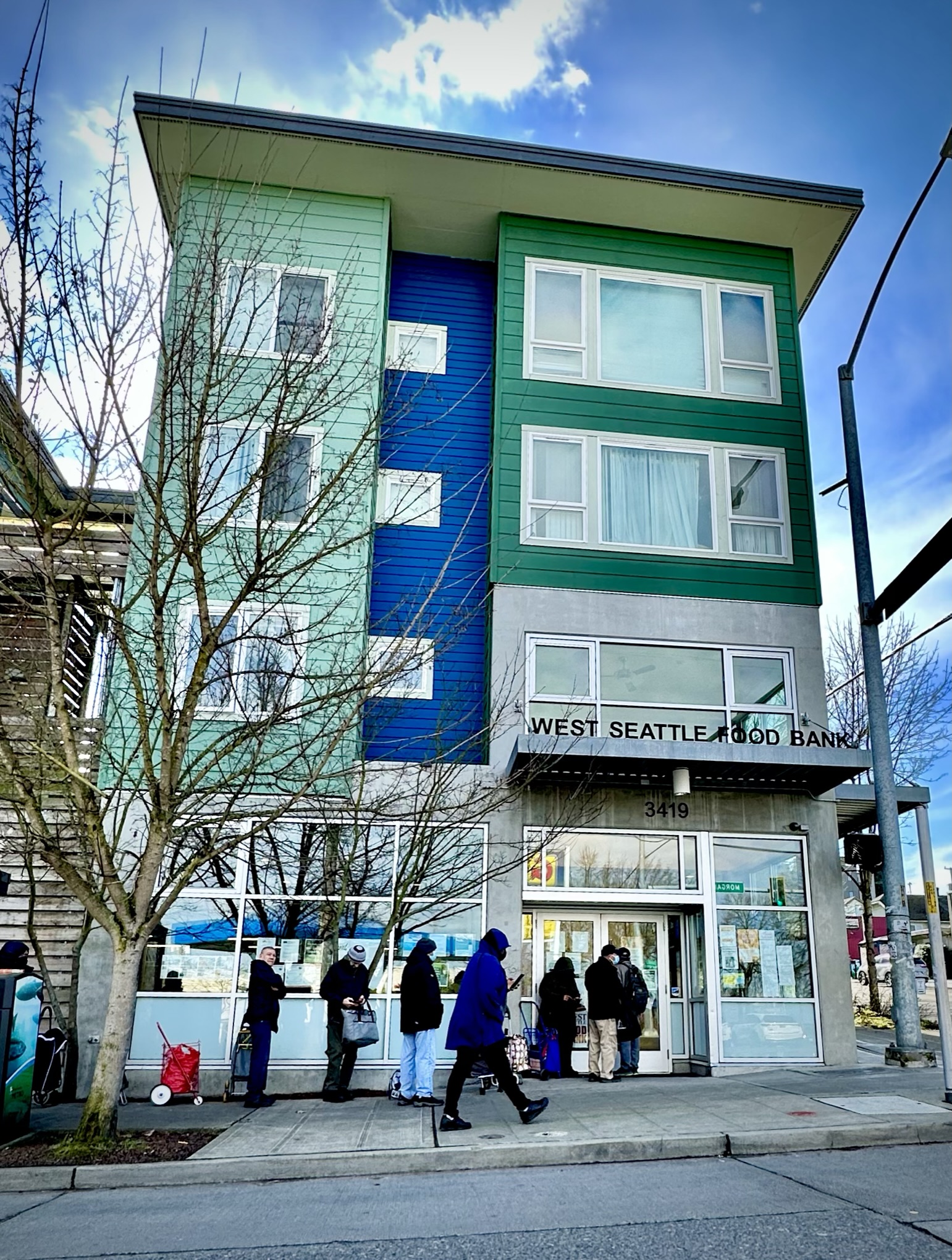
The Southwest Seattle-area hunger-relief networks are straining under an unprecedented wave of demand, facing a severe combination of inventory shortages and record client visits. Across Washington state, food insecurity has now eclipsed levels seen during the peak of the pandemic.
Nowhere is this crisis felt more acutely than at the neighborhood level, where community anchors like the West Seattle Food Bank and the White Center Food Bank are scrambling to absorb the fallout of national policy shifts, inflationary pressures, and dwindling food supplies.
The SNAP Cliff and Policy Fallouts
The root of the current influx lies significantly in federal policy changes. Recent SNAP revisions and heightened work requirements stripped or reduced food benefits for an estimated 170,000 Washington residents. As family food budgets evaporate, households have been forced onto local emergency food lines to survive.
To prevent a complete systemic failure, Washington State lawmakers allocated $93 million in emergency funding to maintain basic nutrition programs, particularly for roughly 30,000 immigrants and refugees who lost federal eligibility. However, with COVID-era financial reserves fully depleted, advocates warn that relying on emergency state spending is an uncertain, temporary bandage for a deep structural wound.
Neighborhood Hubs Under Pressure: West Seattle & White Center
Across the regional food network, tracking shows a massive jump from 10 million to 16 million visits in a single fiscal year. Local hubs are struggling to maintain their baseline capacity amid relentless weekly walk-ins:
- West Seattle Food Bank has reported a continuous rise in walk-in traffic. Beyond emergency grocery distribution, the organization provides vital stabilization services, including housing and utility assistance, home delivery, and a children's backpack program that supplies easy-to-prepare meals when school feeding programs are unavailable.
- White Center Food Bank, which originated during the economic downturn of the mid-1970s to support struggling families, is seeing customer numbers climb higher in 2026. Operating in a diverse community, the food bank relies heavily on flexible funding to purchase fresh milk, eggs, and essential, culturally appropriate staples—such as halal meat, tortillas, rice, and beans—that are rarely donated in sufficient quantities.
The Inflation Double-Whammy and Forced Rationing
This surge in demand coincides with a sharp contraction in available food. Reductions in the federal Emergency Food Assistance Program (TEFAP) are projected to eliminate 20 million pounds of food statewide. Simultaneously, rising grocery prices have eroded the purchasing power of food banks, while community food and cash donations have flattened.
The economic damage also extends beyond pantry doors. Reductions in SNAP and matching incentive programs have reduced household spending at local neighborhood farmers markets, depressing revenues for local vendors and weakening the broader local food ecosystem.
A Call for Community Resilience
Neighborhood food banks like West Seattle and White Center were built to ensure that local families do not go hungry during times of crisis. But emergency food networks cannot bear the weight of systemic federal cuts and compounding inflation alone without sustained community intervention.
Protecting these community lifelines requires both policy solutions and immediate local support—through monetary donations that allow food banks to purchase fresh staples, volunteering, and direct food drives. Without concerted action, the safety net that supports thousands of our neighbors risks snapping entirely.
Robbin Peterson of the West Seattle Foodbank made the point crystal clear:
“On recent Wednesdays when we stay open until 7 p.m., we’ve been serving nearly 600 shoppers in seven hours — that’s one person every 42 seconds we’re open. Thanks to our community, West Seattle Food Bank spends up to $1 million a year on food, prioritizing expensive essentials like frozen proteins, milk, eggs and fresh produce, as well as culturally relevant foods. As need continues to grow, it’s our community’s generosity that allows us to keep nutritious, familiar food on our neighbors’ tables despite cuts to food assistance and skyrocketing food costs.”
How to help:
Supporting both the West Seattle Food Bank and the White Center Food Bank is a direct way to help local families, seniors, and unhoused neighbors access food, essential items, and emergency financial assistance.
1. Financial Contributions (Most Impactful)
Monetary donations are the most effective way to help. Both food banks leverage bulk wholesale buying power to stretch every dollar much farther than individual retail purchases.
-
West Seattle Food Bank: Accepts one-time or recurring online gifts, workplace match programs, and mailed checks. Funds also support community connector programs and emergency rent/utility assistance.
-
White Center Food Bank: Financial gifts allow the food bank to purchase fresh produce, dairy, and culturally specific items—such as Halal meats, rice, beans, and fresh staples—to serve the diverse local community.
2. Donating Food and Essential Items
If you prefer donating physical items, drop off unopened, non-expired goods during designated intake hours:
-
High-Demand Food Staples:
-
Canned proteins (tuna, salmon, chicken, beans)
-
Nut butters (peanut butter, almond butter)
-
Canned soups, stews, and chili
-
Whole grains, pasta, oats, and rice
-
Cooking oil and spices
-
-
Hygiene & Household Goods:
-
Toothbrushes, toothpaste, soap, shampoo, and feminine hygiene products
-
-
Baby & Youth Pantry Needs:
-
Baby formula, jarred baby food, cereal, and diapers (in partnership with Westside Baby).
-
-
Clothing & Household Items (West Seattle):
-
The West Seattle Food Bank operates The Clothesline (5444 Delridge Way SW), accepting clean, gently used clothing for adults and children.
-
3. Volunteer Work
Volunteers are vital to daily operations at both organizations. Opportunities include:
-
Sorting & Packing: Unboxing shipments, packing grocery bags, and organizing shelves.
-
Direct Distribution: Assisting community members during open distribution/grocery-style pantry hours.
-
Home Delivery Drivers: Delivering food boxes to homebound seniors and individuals with mobility constraints.
-
Special Events & Drives: Supporting pop-up mobile pantries, community meal programs, and seasonal fundraisers.
4. Hosting a Food or Fund Drive
-
Organize a Drive: Schools, businesses, faith groups, or neighborhood associations can host physical food collections or virtual fund drives.
-
Grocery Store Matching / Bag Local Hunger: Participating local grocers (like West Seattle Thriftway) frequently host point-of-sale fundraisers or donation bins benefiting both food banks.
Key Contact & Drop-off Information (check websites for days and times)
| Food Bank | Main Address | Primary Website |
| West Seattle Food Bank | 3419 SW Morgan St, Seattle, WA 98126 | westseattlefoodbank.org |
| White Center Food Bank | 10831 8th Ave SW, Seattle, WA 98146 | whitecenterfoodbank.org |
