
West Seattle neighborhoods win targeted funding in Seattle budget package as residents rally at City Hall hearing
West Seattle neighborhoods win targeted funding in Seattle budget package as residents rally at City Hall hearing
Thu, 11/05/2026
Facing tight revenue constraints and competing municipal priorities, the Seattle City Council’s proposed budget package includes a series of targeted investments designed to bolster public safety, restore recreational hours, support small businesses, and fund environmental stewardship across West Seattle.
During the November 5 public hearing on the city budget, dozens of West Seattle community leaders, residents, and business advocates testified in strong support of the proposed amendments, emphasizing that local investments yield profound community returns.
Restoring Open Hours and Traffic Safety Along Alki Beach
One of the central focal points of District 1 advocacy is Council Budget Action SPR-005-D.
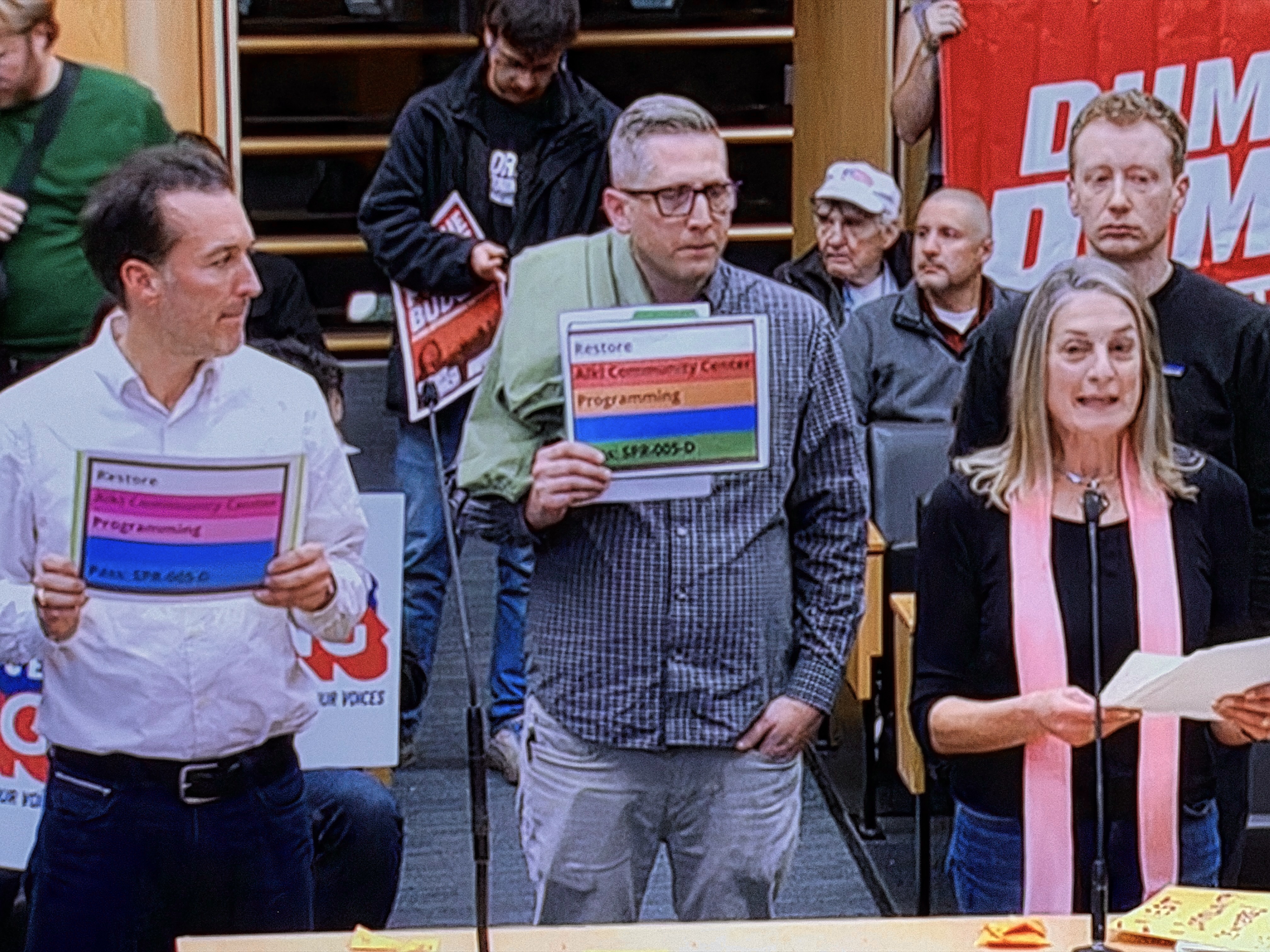
Sponsored by Councilmembers Rob Saka, Joy Hollingsworth, and Robert Kettle, the measure provides $125,000 in 2027 and $125,000 in 2028 (one-time General Fund) to restore public open hours and expand high-demand recreational programming at the Alki Community Center and Alki Bathhouse, including roller skating, yoga, tai chi, drop-in basketball, and youth and senior programs.
The group spoke passionately at the hearing noting that "Community centers prevent crime."
Additionally, the action directs $210,000 in 2027 to the Seattle Department of Transportation (SDOT) for public realm and street safety improvements along Alki Avenue’s "Restaurant Row," incorporating pedestrian lighting, wayfinding, seating, bike parking, and beach access enhancements.
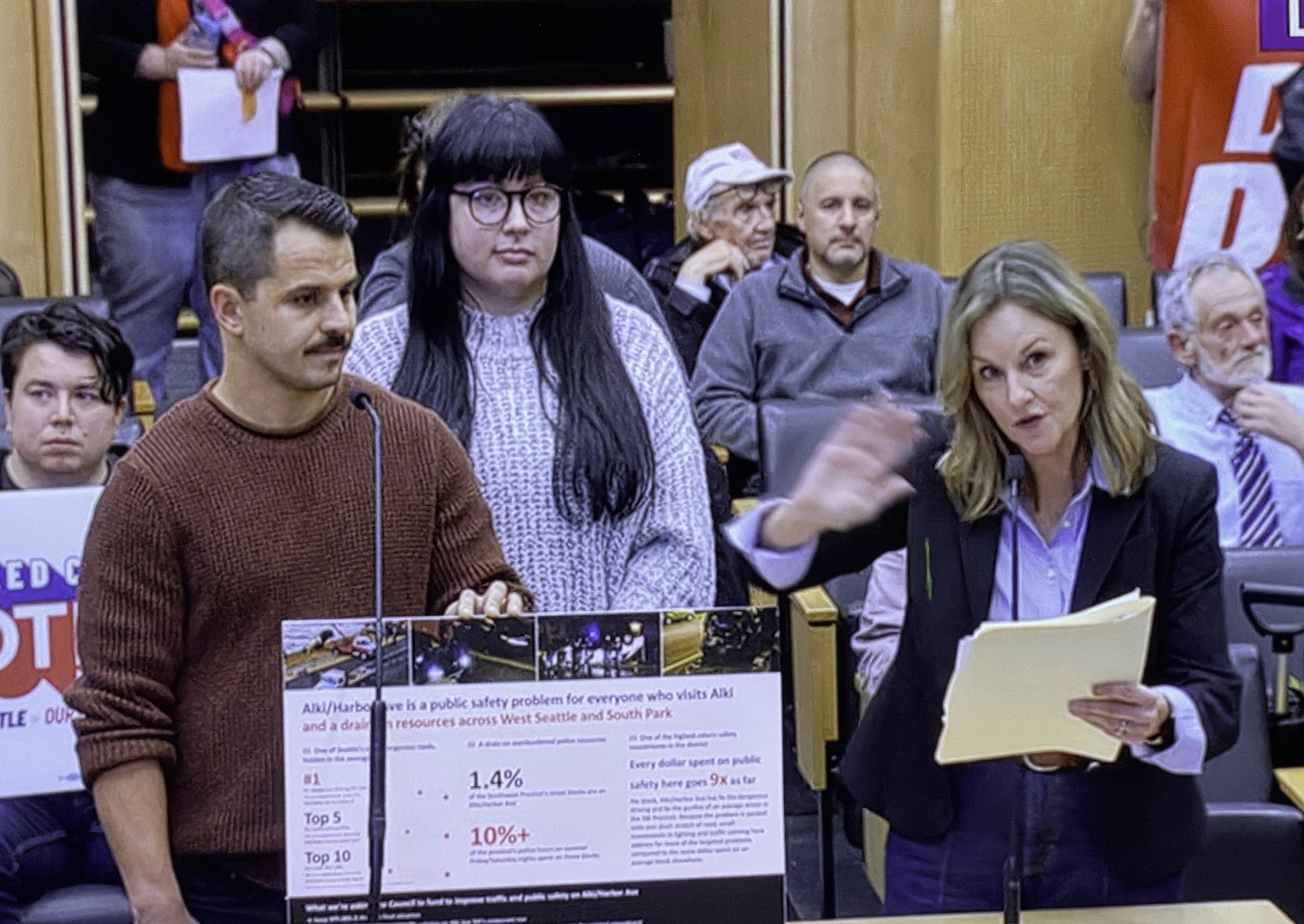
At the City Council public hearing, Alki Community Council leaders and local residents presented a petition with over 200 signatures alongside backing from local business coalitions. "A city budget should sharpen our priorities, not weaken our neighborhoods," testified Charlotte Starck, President of the Alki Community Council. "Burnouts, car takeovers, and cars sprinting east and west... racing so fast through crosswalks they sail over the seawall while pedestrians cross in mass between the restaurants and the beach—it’s a disaster. If you're investing to protect human life in Alki's danger zone, please don't underfund it."
Highlighting police department call data along Alki and Harbor Avenues, Alki resident Connor Dugan emphasized the public safety efficiency of the requested funds: "Alki and Harbor Avenue absorb more than 10% of police hours across West Seattle and South Park on summer weekend nights. Because these problems are heavily concentrated in such a small area, every dollar spent on traffic and public safety here goes approximately nine times as far as dollars spent on the average street elsewhere in the precinct."
Local resident Anise Vahl, who lives directly on Alki Beach, brought personal urgency to the council chamber: "For those of us who live there, it’s also our home... where we raise our families, walk our dogs, and greet our neighbors. The problem we're facing isn't simply traffic—it's car takeovers, burnouts, and reckless driving. Just recently, a 5-year-old boy was hit by a car... These are children who should be able to enjoy their neighborhood safely."
Sustaining Commercial Corridors Across West Seattle Junctions
To bolster economic vitality and maintain public hygiene across West Seattle's commercial cores, Council Budget Action OED-001-C allocates $475,000 in 2027 and $500,000 in 2028 (one-time General Fund) to the Office of Economic Development.
The funding supports an integrated package of pressure washing, litter removal, graffiti abatement, and physical capital upgrades—such as seating, lighting, and planters—across the Alaska Junction, Admiral Junction, and Morgan Junction. The effort relies on direct partnerships with local groups, including A Cleaner Alki, the West Seattle Junction Association BIA, and the West Seattle Chamber of Commerce.
Representing neighborhood business leadership at the hearing, Stacie Woods of the West Seattle Junction Association stressed the necessity of municipal support: "Our organization is facing a budget deficit, and in 2027 we're going to have to make some difficult decisions about which programs to sustain. Clean and safe services are part of the daily work that keeps the Junction welcoming and thriving. City support would help maintain that work at a time when our resources are falling short."
Rachel Porter, Executive Director of the West Seattle Chamber of Commerce, echoed those sentiments: "Our small businesses hire our neighbors, generate tax revenue, and reinvest back into Seattle. Cleaner commercial districts bring in customers and cut costs for owners already stretched so thin. Shopping local matters, but investing locally matters, too."
Environmental Preservation at Schmitz Preserve Park & Morgan Junction Skatedot
Environmental restoration for West Seattle's old-growth forest sanctuary also secured key allocations. Council Budget Action SPR-012-A provides $75,000 from Seattle Parks and Recreation (SPR) alongside $75,000 from Seattle Public Utilities (SPU) to fund a comprehensive feasibility study, preliminary design, and hydrologic analysis for Schmitz Preserve Park.
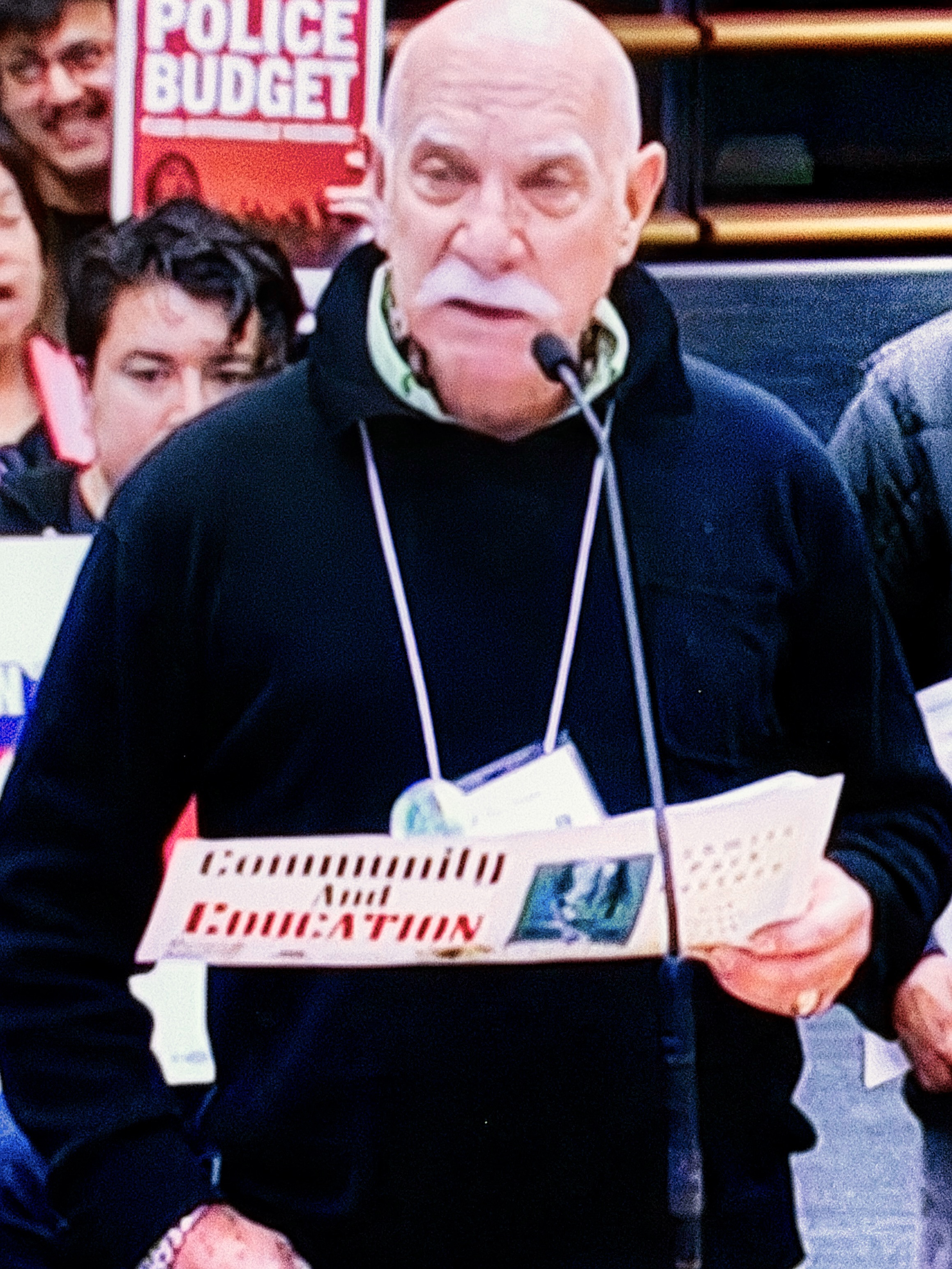
The studies evaluate creek daylighting, sediment flow, trail stabilization, and long-term salmon habitat restoration. This buildout builds upon a recent $20,000 King County WaterWorks grant awarded to Schmitz Park Restore for community cleanup and public education. Speaking on behalf of the project during public testimony, Jeremy Katz of Schmitz Park Creek Restore thanked lawmakers for the city's ongoing commitment: "Your investment has helped move this project from a community vision towards actionable planning. We've advanced invasive species removal and native plant restoration, organized park tours, expanded community outreach, and worked with SPR and SPU to move forward on critical feasibility and hydrology studies."
In addition to park restoration, the budget package incorporates a capital proviso allocating $700,000 in Park and Recreation Fund resources for the construction of a new skatedot ( a small skatepark) at the Morgan Junction Park Addition.
Senior Center Anchors and Veterans’ Shelter Planning
Addressing the human services safety net, city budget proposals incorporate operational funding for senior community anchors and unhoused veterans. Council Budget Action HSD-021-B sets aside $250,000 in 2028 (one-time General Fund) to develop an operational and siting plan for a dedicated veterans' shelter and service campus in West Seattle.
Concurrently, budget advocates pushed to preserve and expand operational funding for neighborhood senior centers, including The Center for Active Living (formerly the Senior Center of West Seattle). Hazel Vada, Director of Aging Adult Services, testified in favor of Councilmember Saka's $750,000 senior center investment proposal: "At our senior centers, we serve hundreds of older adults, many experiencing language, cultural, and access barriers. We listen, we find ways to meet and respond to the needs of our community, but as demand grows bigger, our senior centers need additional support to keep up. I respectfully urge the council to approve this investment so we can continue providing essential services."
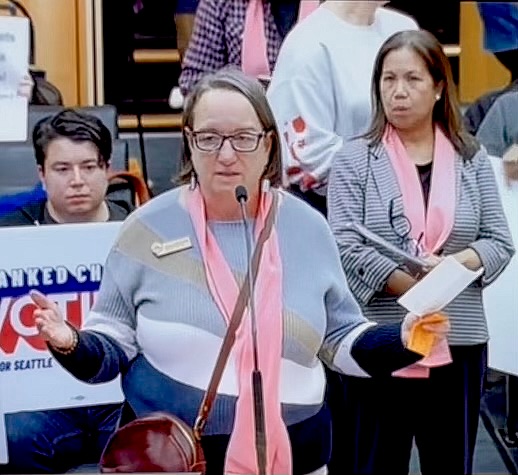
Executive Director Amy Lee Derenthal noted in statement records that centers like The Center for Active Living function as vital "frontline prevention systems" that reduce social isolation and mitigate strains on emergency health infrastructure.
Capital Maintenance at Roxhill Park & Community Arts
Rounding out the West Seattle budget amendments:
-
Roxhill Park Improvements (SPR-002-B): Allocates $100,000 in 2027 (one-time General Fund) for capital maintenance and safety upgrades at South West Seattle's Roxhill Park, focusing on enhanced lighting, sightline clearings, wayfinding, and Crime Prevention Through Environmental Design (CPTED) adjustments.
-
West Seattle Art Instruction (ARTS-008-B): Directs $55,000 in 2027 (one-time General Fund) to the Office of Arts & Culture specifically to support community art instruction programs across the West Seattle peninsula. As the City Council enters its final budget deliberations, West Seattle community coalitions continue to monitor the package to ensure these targeted investments are sustained through final adoption.
The council votes on the final budget at 1 pm in a special meeting, November 20.
