From scorched earth to triage: Grassroots groups tackle West Seattle greenbelt aftermath
From scorched earth to triage: Grassroots groups tackle West Seattle greenbelt aftermath

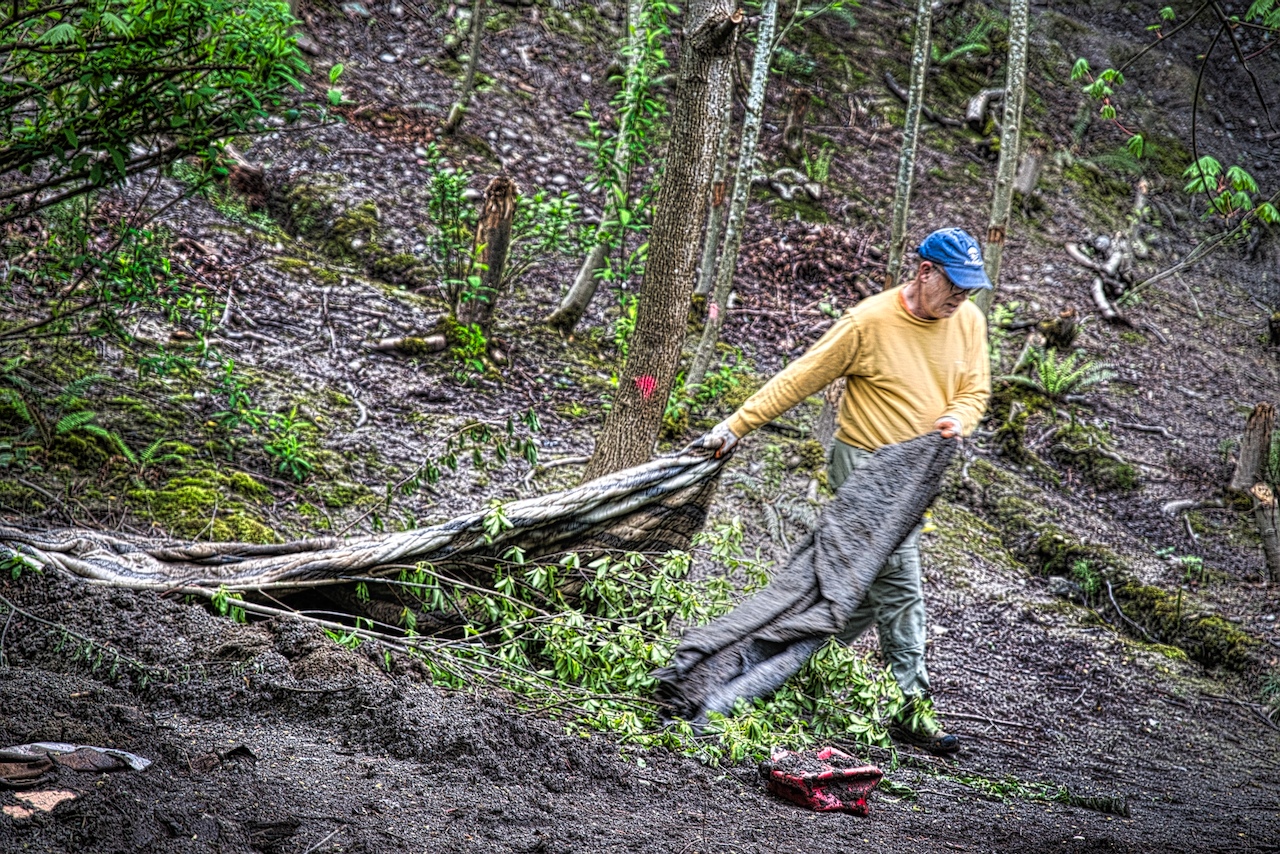
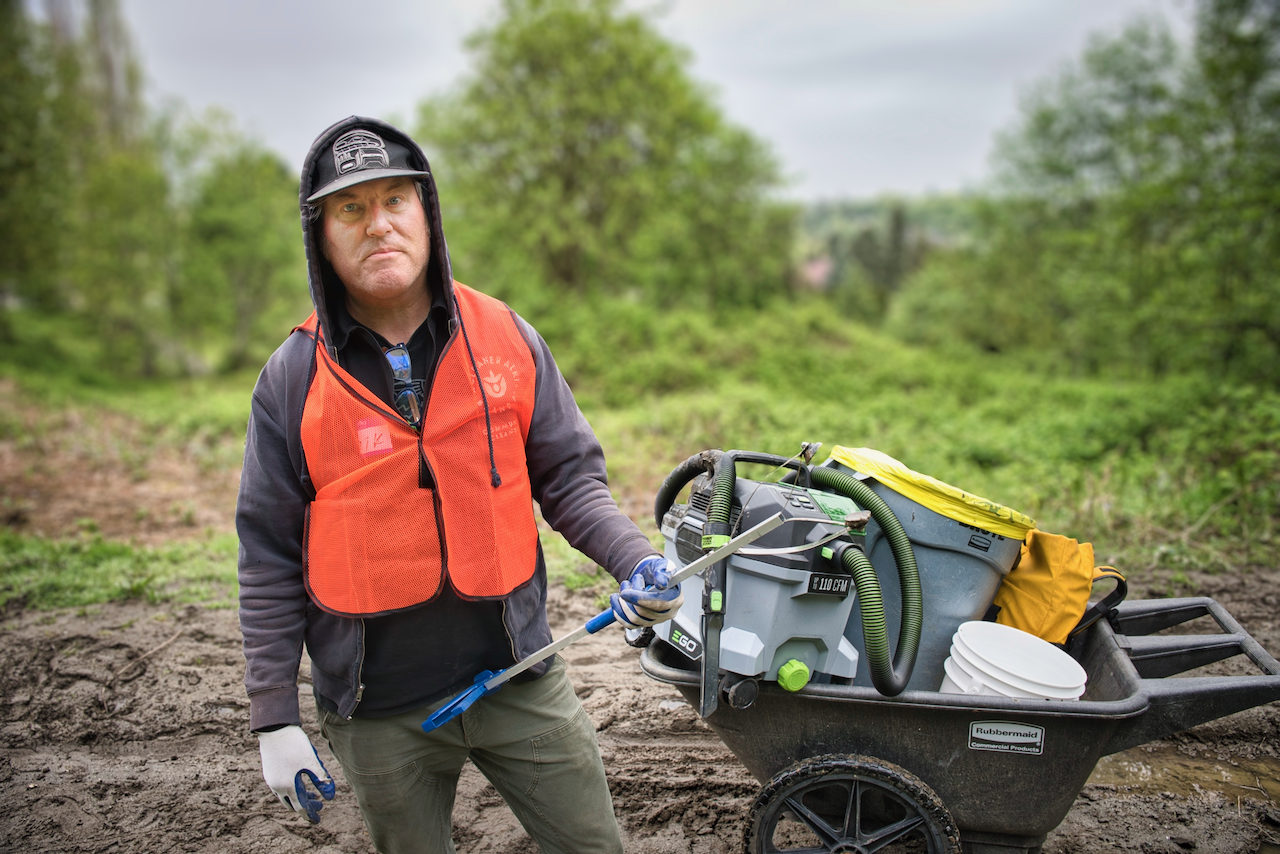
Greg Haapla, with A Cleaner Alki looks at a tattered and dirty American flag hung from a tree in the greenbelt where a homeless encampment had been for more than two years.
Photo by Kimberly Robinson
Thu, 04/23/2026
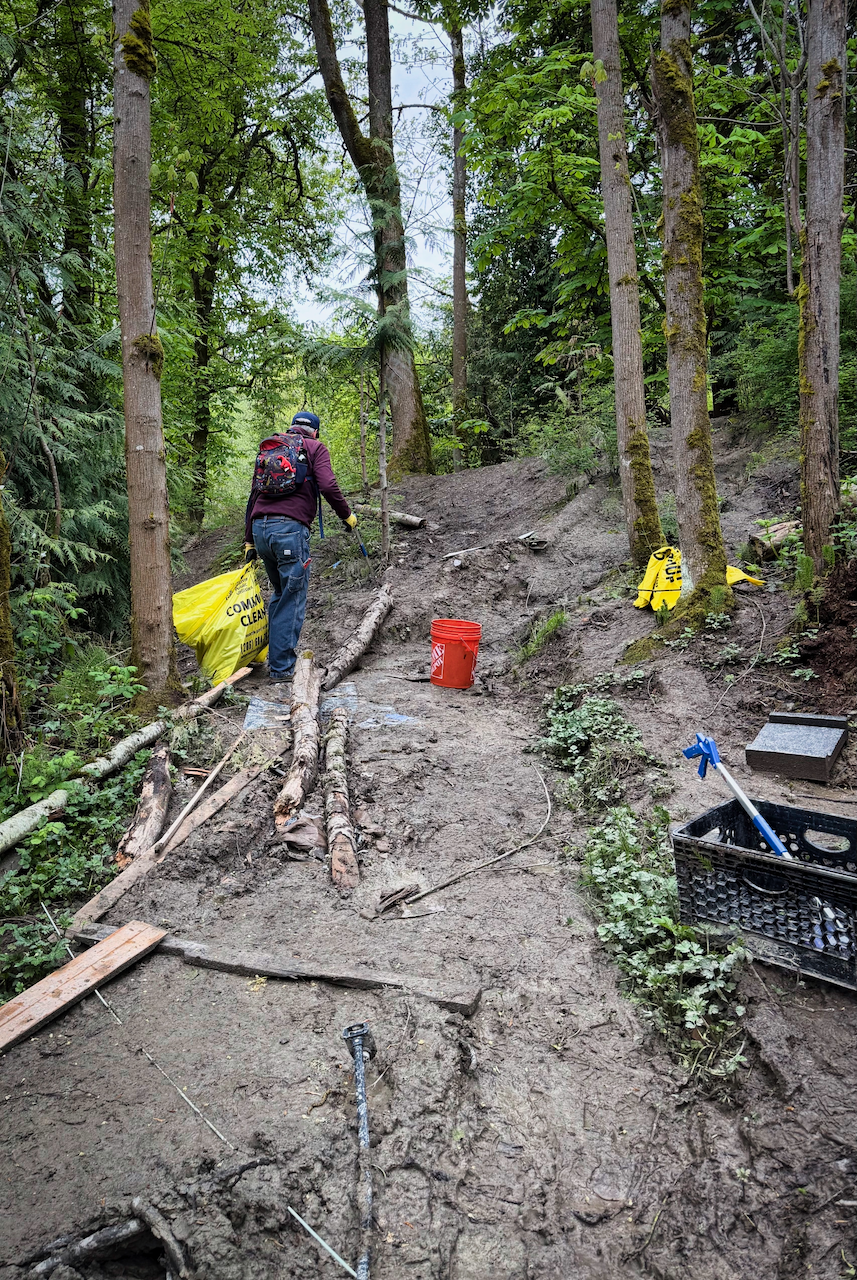
In the wake of a recent city-led sweep of a large homeless encampment at Rotary Viewpoint Park and the adjacent greenbelt by the West Seattle Golf Course, the "scorched earth" left behind has become the latest battleground for two prominent local volunteer organizations. While the City of Seattle’s Unified Care Team conducted the initial removal of residents and large debris, the fine-grain restoration of the landscape fell to a collaborative effort between Erik Bell’s A Cleaner Alki and Andrea Suarez’s We Heart Seattle.
A Collaboration Born of Frustration
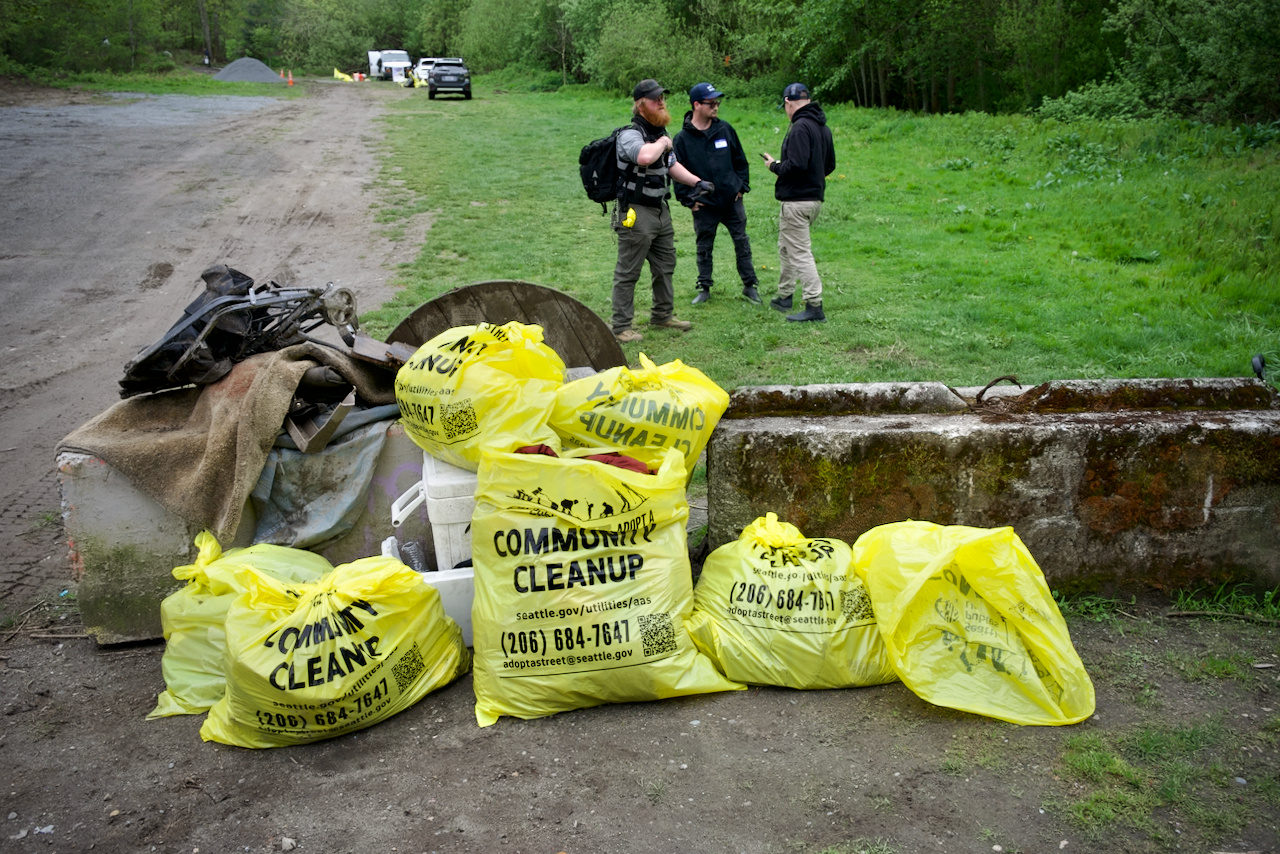
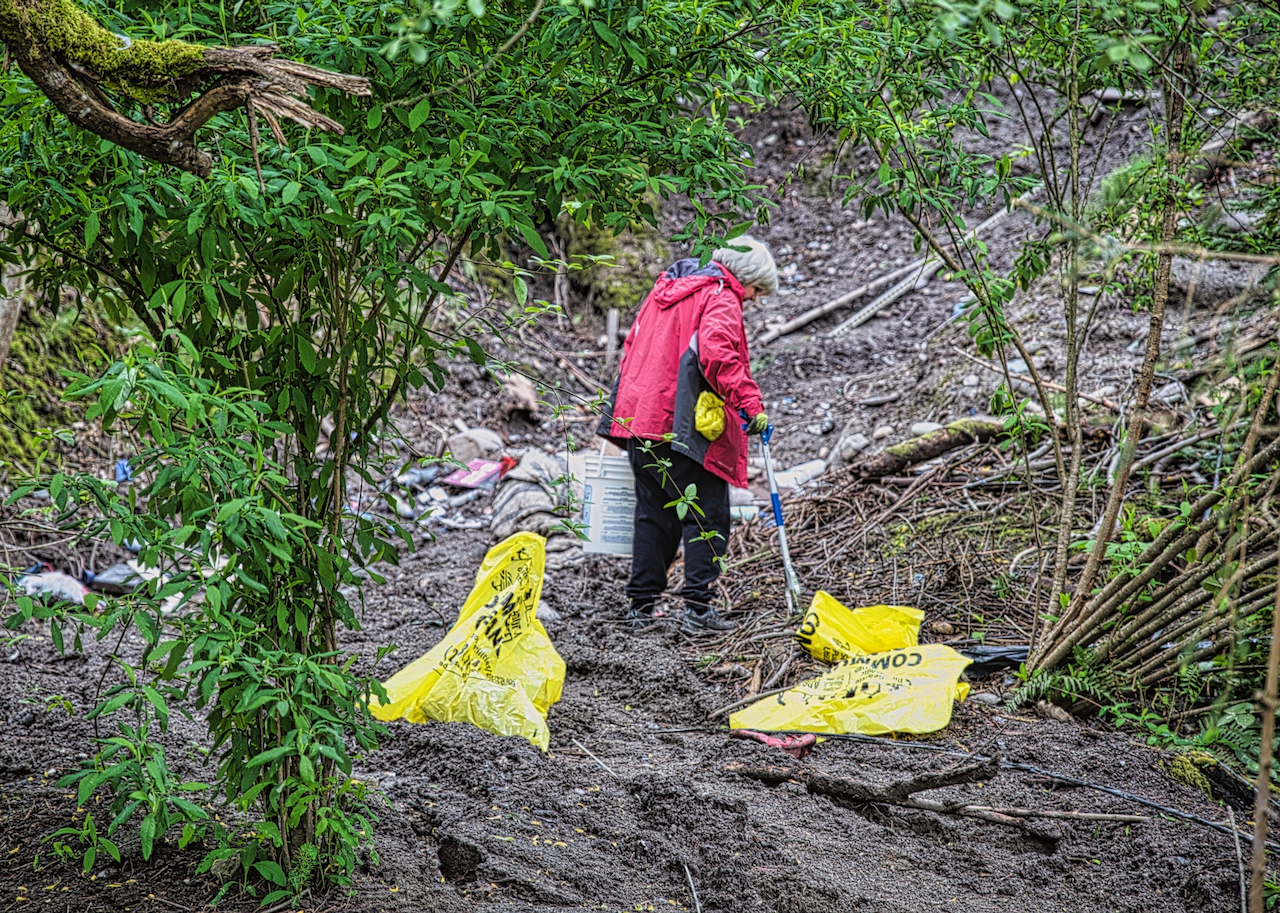
The cleanup drew over 20 volunteers to the greenbelt, an area where underbrush had been torn out and trees "hatchet-jobbed" for firewood and structures during the two years the encampment was in "full swing". For many, like six-generation Seattleite and volunteer Holly, the motivation to participate was personal. "Our beautiful sanctuaries are being absolutely destroyed by people who need a lot more help than we can give them," Holly remarked, noting her own family's struggles with addiction. "I want to leave it better than it was".
While both groups share a goal of beautification, their methods and boundaries differ. Erik Bell, whose organization averages nearly 300 cleanups a year, focuses primarily on post-sweep restoration. "I was blown away by the amount of like just scorched earth. No ground cover at all," Bell said of the site. He noted that his group no longer conducts "live" encampment cleanups to avoid being seen as a "maid service" for active sites.
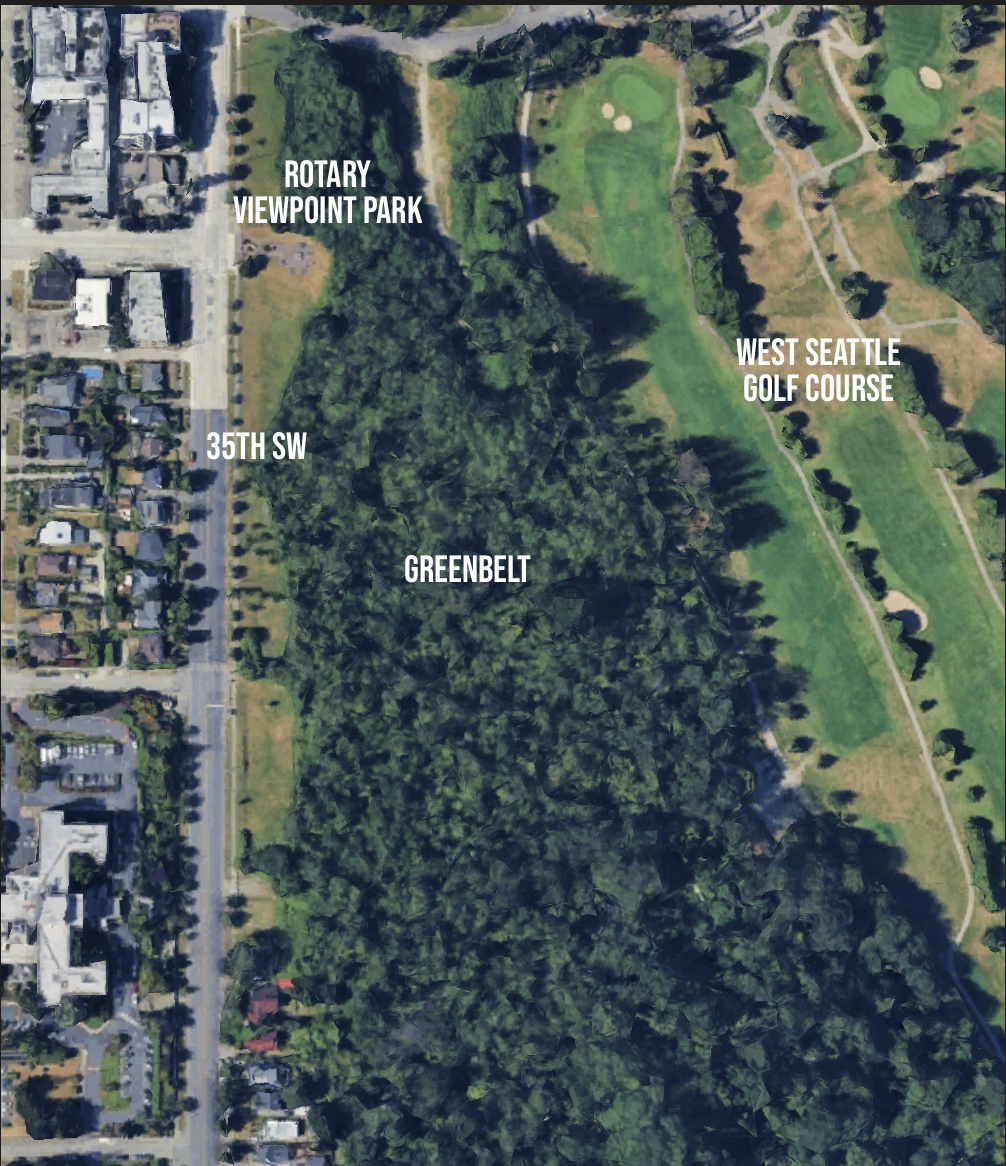
For the effort on Thursday Bell said it was clear this area would take multiple visits. Homeless camps have been found in several locations in the area though steep terrain in places make them impossible. Trails that extend north from Camp Long pass through this area.
The "Trash to Triage" Model
In contrast, We Heart Seattle uses a more interventionist approach they call the "trash to triage" model. For Suarez and her team, picking up litter is a tool for engagement. "The mundane act of picking up trash profoundly transforms people’s lives," Suarez explained. "Trash leads to trust, the trust leads to triage and treatment".
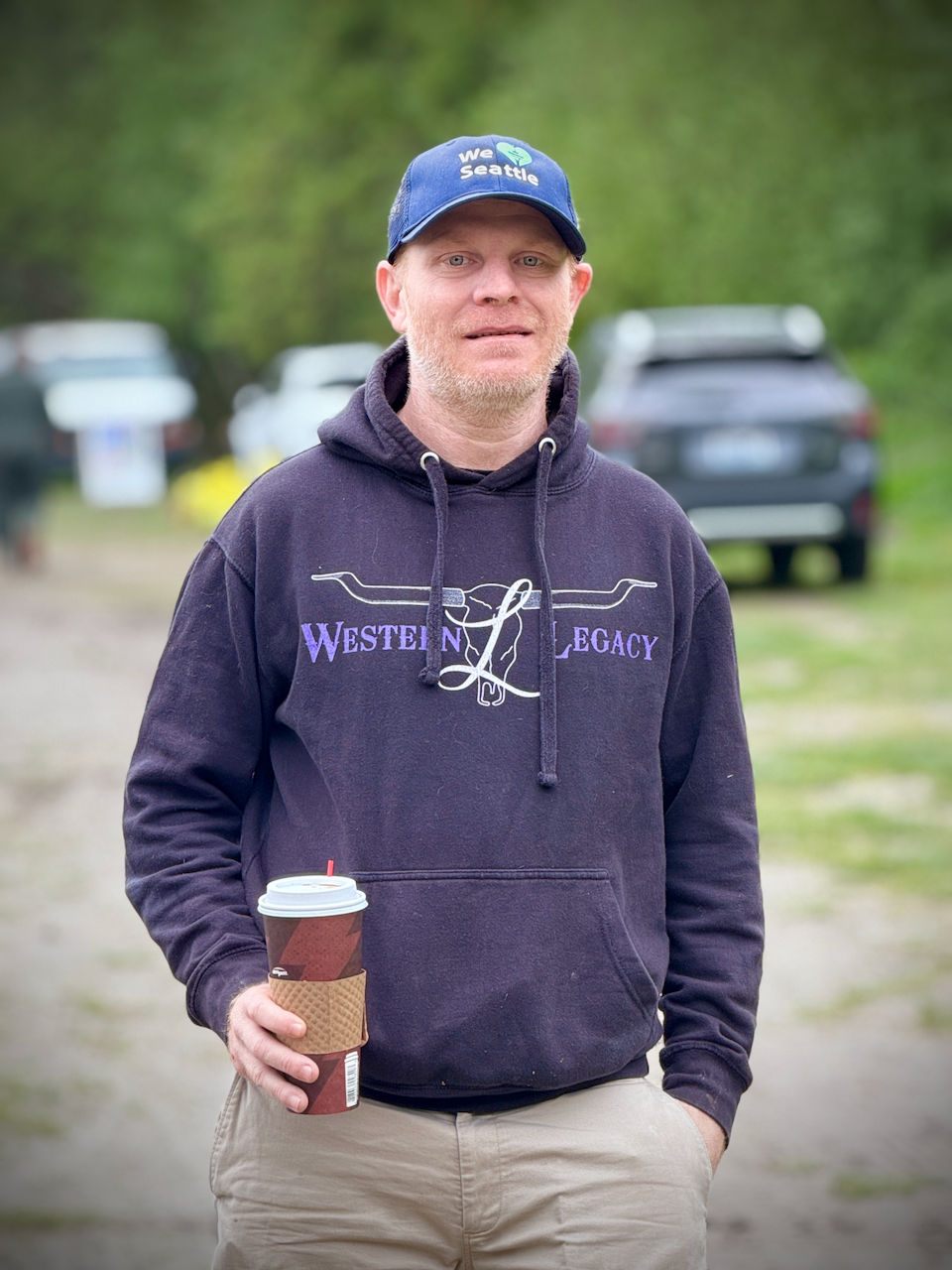
This model involves We Heart Seattle’s four case managers entering active camps to offer "continuum of care" services, such as bus tickets home, medical detox, or direct transport to treatment centers.
Program Director Tim Emerson, who joined the movement after Suarez approached him while he was struggling with his own addiction on a park bench, is a testament to this approach. "We Heart Seattle has helped me make the biggest leaps I’ve ever made," Emerson said. "It just completely changed my life to be a part of this organization".
A Radical Critique of City Policy
Beyond the physical cleanup, Suarez has used her platform to voice a sharp critique of Seattle’s "housing first" policies and the proliferation of tiny home villages. She argues that the city is "doubling, quadrupling down on a decade of failed policy" that prioritizes building housing over addressing the root causes of addiction and mental illness.
Even so, the city is actively developing the Glassyard Commons RV park and tiny home village on West Marginal Way. That project is expected to be in place by mid-June and be home for 79 RV's and 22 tiny homes.
Suarez remains highly skeptical of tiny home villages, claiming they often become "low barrier" environments where drug use is tolerated. "You're giving people a tiny house to smoke drugs more easily... and then they (developers) go to the gala and they donate to Sharon Lee at the Four Seasons... and everybody’s profiting off the misery of the poor guy that’s still in the tiny house smoking dope," she stated.
Marta Kidane with Low Income Housing Institute (LIHI) said in a meeting with the Highland Park Action Coalition on April 22 said the intention is to maintain a strict, no visitors policy with ID checks, cameras and 24/7 security on site.
Direct Action and "Recovery First"
Suarez’s vision for direct action is a "recovery first" model. She advocates for strict consequences for public drug use and camping, even suggesting a form of "martial law" for the fentanyl crisis where individuals would be "triaged to stabilize" in mandatory medical detox and six-month treatment programs.
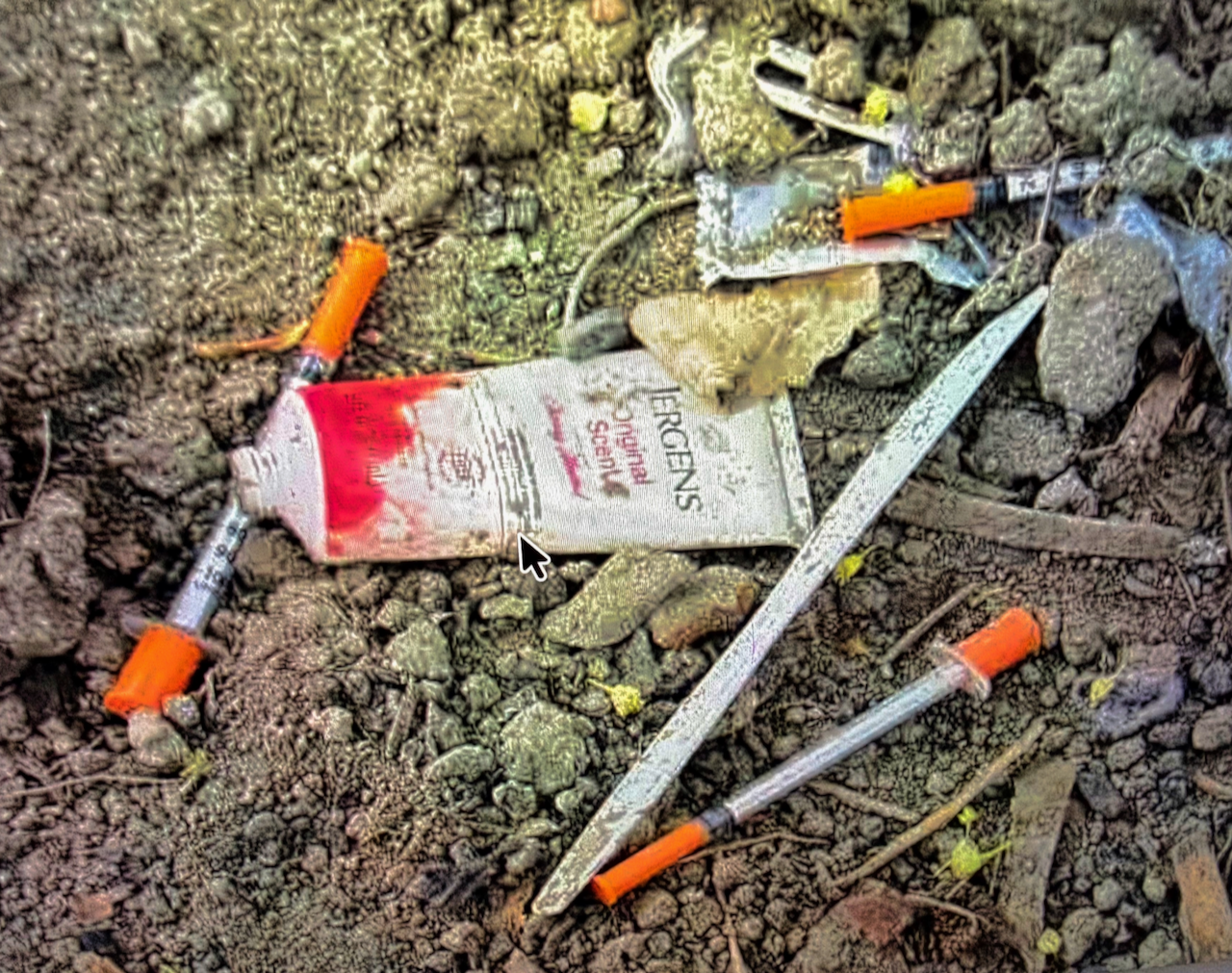
Her approach emphasizes removing the "enabling" aspects of current harm reduction, such as the distribution of smoking supplies like foil and pipes. "We have removed rock bottom," Suarez argues. "More clean foil and pipes and blankets and hot cocoa didn't work. It still killed everybody".
The Road Ahead
Despite the political friction Suarez's views sometimes generate, the demand for her organization's services remains high. While A Cleaner Alki maintains a more "altruistic" and landscaping-focused role, We Heart Seattle continues to scale, having raised nearly $5 million to support its case management and outreach efforts.
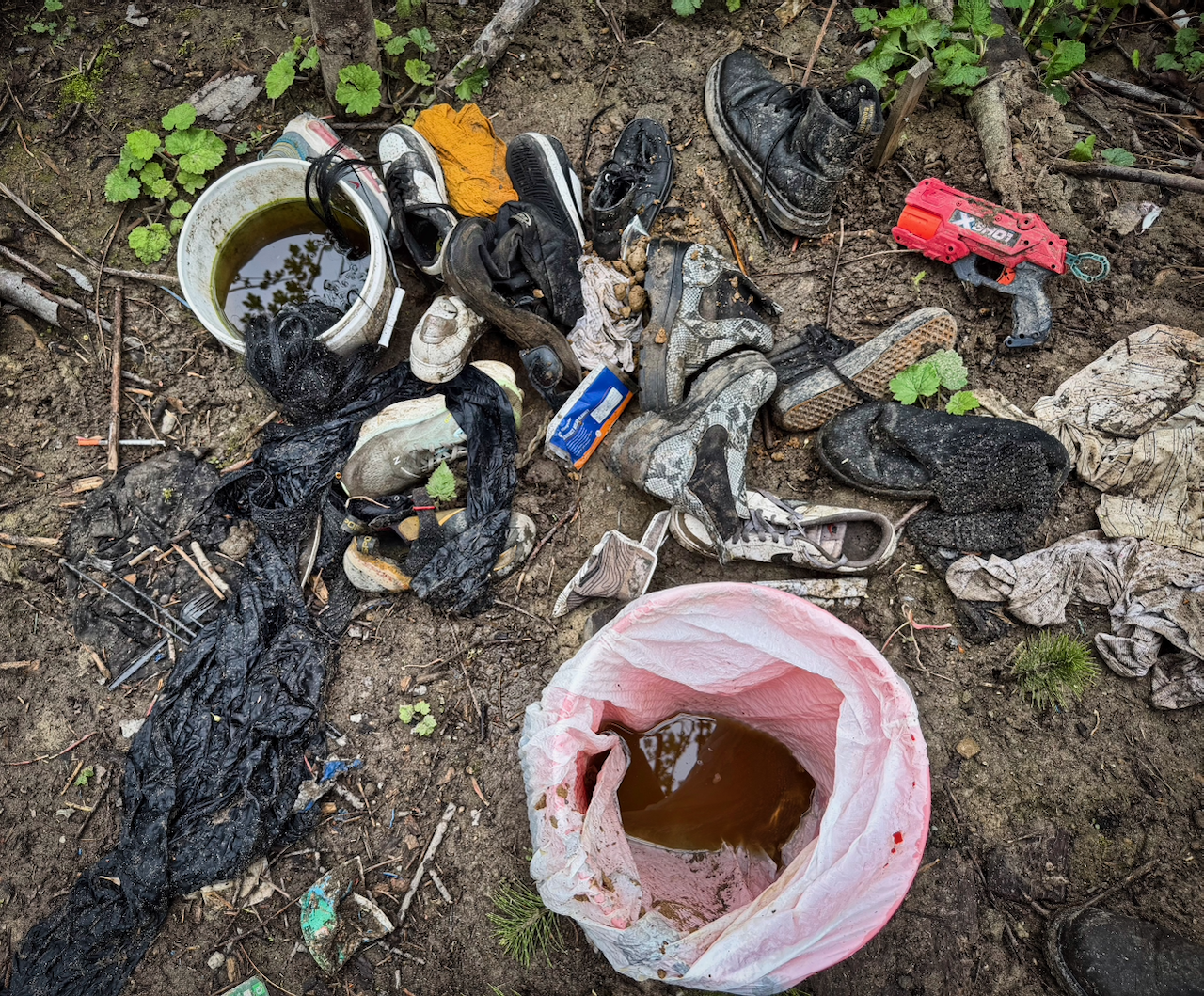
As the volunteers hauled away what Bell estimated would be over a ton of garbage from the West Seattle greenbelt, the challenge of sustainability loomed. Tim Emerson expressed concern that the city is building "more beds and more tiny villages than we can handle" without sufficient outreach workers to manage them. "I’m worried that we’re going to burn out our outreach workers... We don’t have enough people for this to be sustainable," Emerson warned.